Key Takeaways
- Professional corporate photography is a positioning tool — studio-grade images signal credibility, consistency, and quality within milliseconds of a prospect landing on your site.
- A structured shoot process — strategy call, pre-shoot testing, guided posing — makes the difference between forgettable headshots and a visual library that works hard for your brand for years.
- Faithful Photography's studio in South-West Sydney serves businesses across Campbelltown, Camden, Narellan, and the wider Macarthur region, delivering polished corporate imagery without the CBD price tag.
Why Professional Images Shape Client Decisions
The Speed of First Impressions
People decide whether to trust you faster than they can read a headline. The moment a prospect lands on your website or LinkedIn profile, their brain is already sorting your visual cues — before a single word registers. Research from the Nielsen Norman Group found users form opinions about websites in as little as 50 milliseconds, and imagery dominates that snap judgement. If your headshots look like they were taken on someone's phone in a car park, or your team photos feature awkward poses under harsh fluorescent light, you're telegraphing "we cut corners." And if you cut corners on your own brand image, why would a client trust you with theirs? Studio-grade corporate photography signals the three things every client wants to see before they pick up the phone: quality, consistency, and professionalism.Why Consistency Is Your Unfair Advantage
When team portraits, executive headshots, and office imagery share the same colour grading, lighting style, and production standard, your brand becomes instantly recognisable across platforms. Consistency creates familiarity, and familiarity builds trust — that's not marketing theory, it's just how human brains work. Your competitors are almost certainly padding their websites with generic stock photos and tired phone snaps. That's your opportunity. Investing in professional studio imagery doesn't just make you look good — it makes you look measurably better than everyone else in the room. ---What Studio Photography Actually Delivers for Your Business
Visual Assets That Pay for Themselves
A well-executed corporate shoot produces a library of images you'll draw on for two to three years. Websites, brochures, email campaigns, social posts, PR pitches, award submissions, investor decks — every piece of marketing material you produce benefits from a cohesive visual foundation. That's not a one-off spend. It's evergreen infrastructure.- Website imagery — hero banners, team pages, about sections, service headers.
- LinkedIn profiles — individual and company page assets that drive connection requests and inbound enquiries.
- Social media — a library of polished, on-brand content that keeps your feed looking intentional.
- Press and PR — media-ready portraits and editorial shots that editors will actually use.
- Printed collateral — brochures, proposals, signage, and event materials that hold up at full size.
The Technical Edge of a Controlled Studio Environment
Studio environments offer something no outdoor location or phone camera can replicate: complete control. Controlled lighting eliminates harsh shadows and unflattering angles. Multiple backdrops — from classic white to bold colours and textured walls — give you versatility without reshoots. The gear matters, too. Professional strobes, modifiers, and medium-format sensors capture detail at a resolution that scales from a 5cm email avatar to a 3-metre conference room banner without losing crispness. You're not buying pretty pictures. You're buying strategic visual assets. ---What Happens During Your Corporate Photography Session
The Pre-Shoot Strategy Call
This conversation determines everything — skip it, and you're buying mediocre photos. A focused strategy call nails down your brand positioning, identifies the exact platforms where the images will live, and clarifies the story you actually want to tell. Come prepared:- Know your target audience and the tone you want to project (approachable and warm vs. polished and authoritative).
- List the specific deliverables you need — headshots only, or team shots, environmental portraits, and detail imagery as well.
- Bring reference images — competitors, brands you admire — so the conversation is actionable, not vague.
- Confirm wardrobe, backdrop preferences, and whether you want studio-only, on-location, or a combination.
- Book hair and makeup in advance if needed — professional hair and makeup services take 30–45 minutes and make a visible difference to the final images.
Preparation and Testing Before You Step In
Before your team walks through the door, test shots have already been taken. Lighting ratios, colour grading, and backdrop selection are locked before the first subject sits down. That prep removes the usual on-site chaos and keeps the session moving efficiently. High ceilings, textured feature walls, multiple backdrops, and several distinct lighting configurations mean you're not stuck with one look. You can move between a clean corporate white-background headshot and a warmer, lifestyle-oriented team portrait in the same session.Guided Posing and Direction
Most people freeze in front of a camera. A good corporate photographer doesn't just press the shutter — they direct. Posture, chin position, eye contact, hand placement — each element is guided deliberately so subjects look confident and natural, not stiff. The result is imagery where your team looks like themselves at their best, not like they're enduring a compulsory HR exercise. ---"The right portrait, the right lighting, the right frame — these aren't vanity plays. They're the visual evidence that you are who you say you are."---
Choosing the Right Corporate Photography Studio in Sydney
What to Look for Beyond the Portfolio
A beautiful portfolio is table stakes. What separates a great studio partner from a technically competent one comes down to three things: craft, consistency, and care for your story.- Craft — Are the lighting, colour grading, and composition consistent across a full client gallery, not just the cherry-picked hero shots?
- Consistency — Can they deliver the same standard across a ten-person team shoot as they can with a single executive portrait?
- Communication — Do they ask about your business before talking about their equipment? A photographer who leads with your brief, not their gear list, understands they're solving a business problem.
Studio Location and Accessibility
Not every Sydney business needs to travel to the CBD for a professional studio shoot. Faithful Photography operates studios in Glen Alpine and Gledswood Hills, NSW, making professional corporate photography in Sydney easily accessible for businesses across the Macarthur region — without the parking stress and CBD rates. Teams from Campbelltown, Camden, Narellan, and surrounding suburbs can reach our studios in minutes, not hours. We also work with clients from further afield — Liverpool, NSW, Oran Park, Gregory Hills, and beyond — who want studio-quality results without the commute. ---Ready to Elevate Your Brand's Visual Identity?
Studio-grade corporate portraits that position your business as credible, consistent, and worth a client's time — all within easy reach of South-West Sydney.
Corporate Photography for Every Business Type
Executive and Individual Headshots
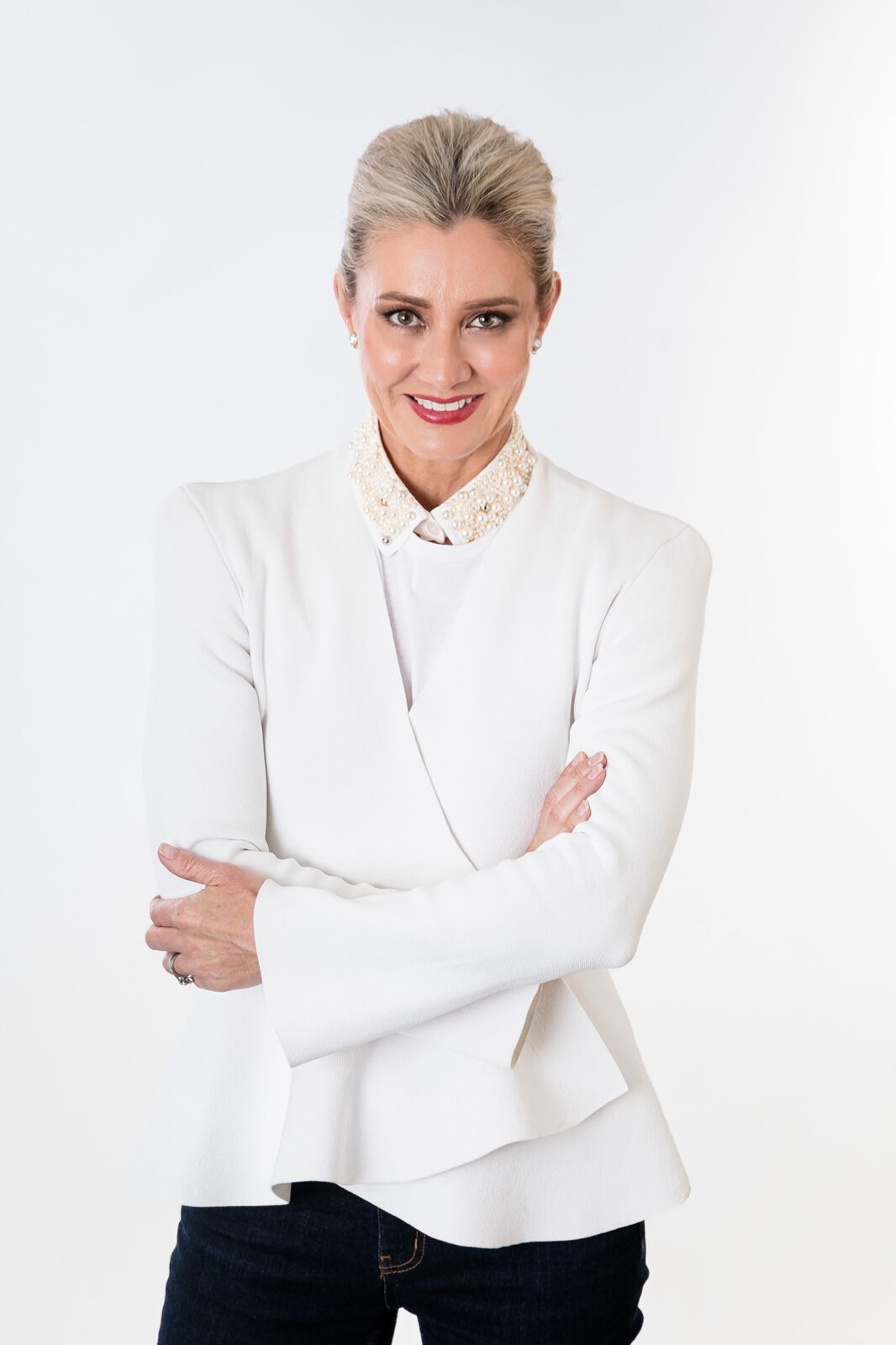
Your leadership team's portraits are often the first human faces a client or investor sees. A polished executive headshot on LinkedIn, a company website, or a speaking engagement bio communicates authority and approachability in equal measure — when it's done properly. Individual headshots work best when they're photographed with a consistent lighting style across the whole team, so your "Meet the Team" page doesn't look like it was assembled from five different shoots across three different years.Team and Group Photography
Group photography for corporate purposes is genuinely difficult to do well. Coordinating posing, ensuring everyone looks natural, managing eyelines, and keeping the energy relaxed — all while maintaining technical exposure consistency — requires experience and a clear process. We've developed an efficient workflow for team shoots that minimises downtime and keeps energy high, so you get genuinely candid, natural results rather than the glazed-eye, "are we done yet?" look that plagues poorly managed group sessions.Environmental and Office Photography
Sometimes the most powerful images aren't headshots at all — they're people at work, in context. Environmental portraits capture your team in their element: a meeting room discussion, a production floor walk-through, a collaborative moment at a whiteboard. These images humanise your brand in a way that posed studio portraits alone cannot. Used alongside clean studio headshots, they give your visual library range and depth. ---Making the Most of Your Corporate Shoot Day
Wardrobe and Preparation Tips
Preparation on your team's end directly affects the quality of the final images. A few key wardrobe principles make a significant difference:- Stick to solid colours and avoid busy patterns — fine stripes and small prints cause visual noise (moiré) on camera.
- Wear colours that complement your brand palette rather than clash with it.
- Iron and lint-roll everything before the shoot — cameras catch every crease and pet hair.
- Bring a backup outfit option in case the first choice doesn't read well against the chosen backdrop.
- For longer sessions, bring touch-up supplies — powder, lip balm, a comb — to stay fresh between setups.
Scheduling and Team Logistics
For larger teams, stagger your booking in groups of three to five people. Downtime is wasted time and wasted mood — people who've been waiting an hour look tired by the time they sit down. Book the most senior team members early in the session while energy is highest. Keep the schedule tight, brief, and communicated in advance so nobody shows up late or in the wrong outfit. ---Beyond Corporate: The Full Faithful Photography Studio Experience
Our South-West Sydney studios are purpose-built for professional imagery across life's most important moments. While corporate photography is a core strength, families across the Macarthur region trust us for newborn photography in Sydney, family photoshoots, maternity photography, and cake smash sessions that celebrate first birthdays in style. Whether you're building a brand or preserving a memory, the same commitment to craft, light, and genuine storytelling runs through every session we photograph. You can explore session pricing on our website, or browse gift vouchers if you'd like to give someone the gift of professional photography. ---Frequently Asked Questions
What is corporate photography and what does a session include?
Corporate photography covers any professional imagery created to represent a business — executive headshots, team portraits, environmental office shots, and brand imagery for marketing use. At Faithful Photography, a typical corporate session includes a pre-shoot strategy call, fully equipped studio time with multiple backdrop and lighting configurations, professional direction throughout, and a curated gallery of edited, high-resolution images delivered digitally. We tailor each session to your specific deliverables rather than applying a one-size-fits-all package.
How long does a corporate photography session take?
Session length depends on the scope of the brief. Individual executive headshots can be completed efficiently in a focused 30–60 minute slot. Larger team shoots — particularly those covering multiple setups, backgrounds, and both group and individual portraits — typically run for two to four hours. We'll give you a clear time estimate after your strategy call, so you can plan team schedules accurately and avoid wasting anyone's day.
Do you offer corporate photography for businesses outside the CBD — in Campbelltown, Camden, or Narellan?
Absolutely. Our studios are based in Glen Alpine and Gledswood Hills in South-West Sydney, which puts us within easy reach of Campbelltown, Camden, Narellan, Gregory Hills, Oran Park, and the broader Macarthur region. We regularly work with local businesses, sole traders, and professional services firms across the area. You get CBD-quality studio results without the CBD commute, parking fees, or inflated pricing.
What should my team wear for a corporate photography session?
Solid, block-colour clothing in tones that complement your brand palette typically works best. Avoid fine patterns, loud prints, and overly casual attire — cameras tend to exaggerate both. We recommend everyone bring a backup outfit, and that the team coordinates to avoid clashing colours in group shots. If you're unsure, we'll walk through wardrobe options during your pre-shoot strategy call so nobody arrives on shoot day second-guessing themselves.
Is professional hair and makeup available for corporate sessions?
Yes — we offer professional hair and makeup services that can be added to your corporate session booking. Allow around 30–45 minutes for hair and makeup preparation, and book this in advance to ensure availability on your chosen date. Even for corporate shoots, professional grooming makes a visible difference to the final images — particularly for close-up headshots and executive portraits where skin texture and hair detail are prominent.
How long after the shoot will I receive my images?
Edited images from corporate sessions are delivered via a private online gallery. Turnaround times are confirmed at the time of booking and vary depending on session scope and current studio workload — we'll always give you a clear delivery date before you commit. Rush delivery options may be available for time-sensitive projects such as award submissions, press releases, or imminent website launches. Ask us at the time of booking and we'll do our best to accommodate your timeline.
Visit Faithful Photography Today
Our studios in Glen Alpine and Gledswood Hills are ready to help your brand look as good as the business behind it. Whether you need a single polished headshot or a full team visual library, we'll make the process straightforward and the results exceptional.