Key Takeaways
- A studio's portfolio consistency — not its marketing copy — is the clearest signal of real skill across different ages and family types.
- Transparent pricing, honest delivery timelines, and pre-session preparation separate genuinely great studios from glossy ones.
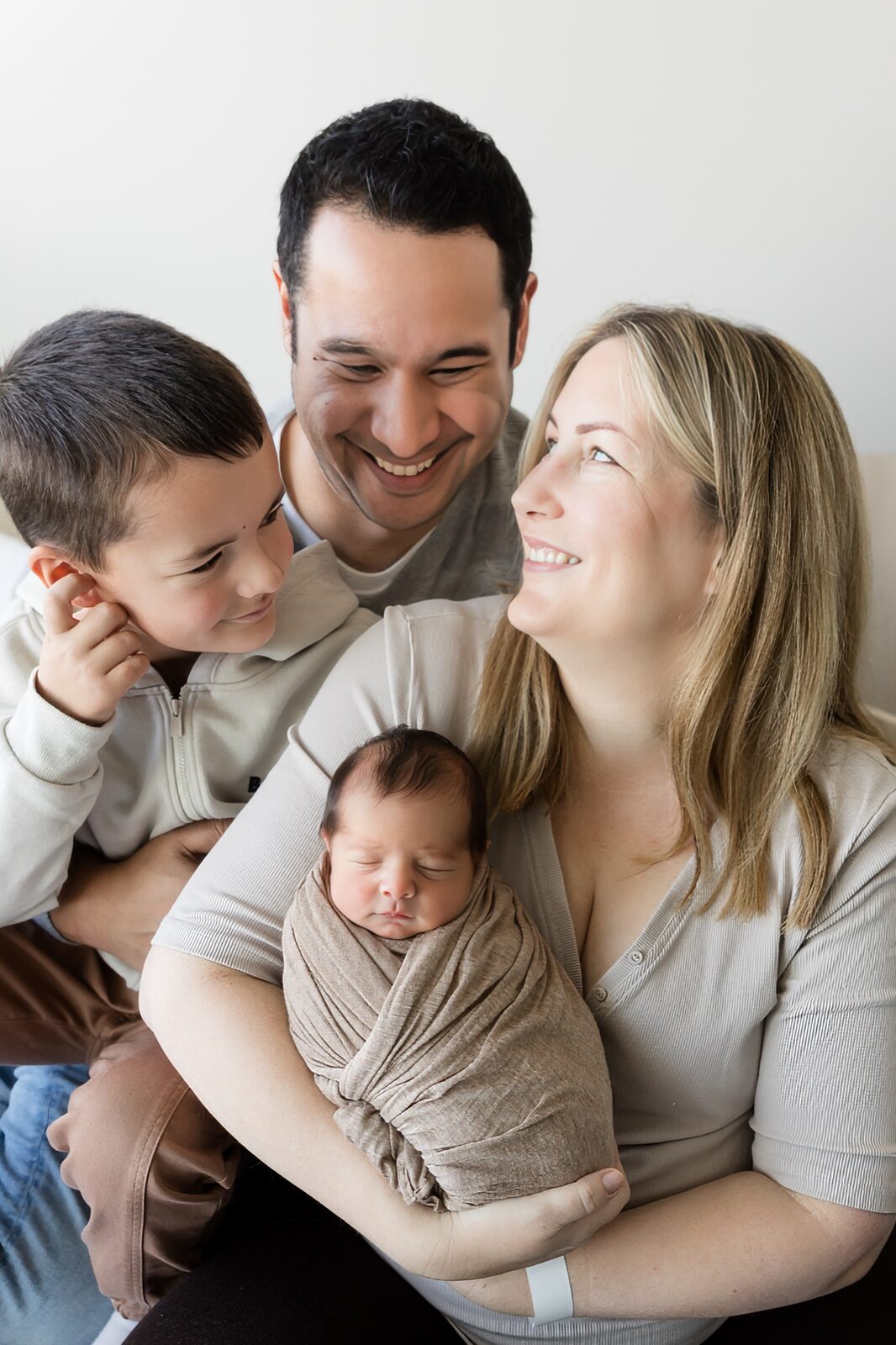
- Choosing the right family portrait studio in South-West Sydney means finding a team that makes chaos look candid — and your family look like yourselves.
What Makes a Family Portrait Studio Worth Your Time
The Portfolio Is Where the Mask Comes Off
Forget the marketing copy. Ignore the Instagram highlight reel. The portfolio is where you see whether a photographer actually delivers — and where the convincing ones separate from the truly skilled. Look for consistency across at least 20 images, not just the hero shots plastered on the homepage. Does the photographer's style read the same across different families, lighting conditions, and locations? Or does every gallery look like it's been massaged into the same trending preset?- If soft, natural light is the selling point, it should appear consistently — not as a one-off showroom piece.
- Cross-check the website portfolio against Instagram and any client reviews that include actual photos.
- Studios that hide behind curated reels instead of showing full session variety are waving a red flag.
Breadth Matters as Much as Depth
A photographer who lists newborn photography in Sydney, family photoshoots, and cake smashes on their menu should genuinely be skilled at all three — not brilliant at newborns and mediocre with primary schoolers. The skills required shift dramatically with age and energy. Keeping a six-week-old calm requires stillness, warmth, and technical precision. Wrangling a three-year-old requires theatre. Coaxing a twelve-year-old out of their shell requires a completely different kind of charisma. A portfolio that demonstrates genuine range tells you whether the studio has developed real techniques across the full spectrum of family life. ---Equipment, Light, and the Skill Behind the Lens
Don't Obsess Over Camera Bodies
Spend less time asking about megapixels and more time judging what the person behind the lens can actually do. A $5,000 camera in inexperienced hands will produce worse images than a $1,500 setup operated by someone who deeply understands light, composition, and timing. That said — don't ignore the basics entirely.- Does the studio own portrait-appropriate lenses (longer focal lengths that flatter, rather than distort, faces)?
- Do they use professional lighting equipment for indoor sessions, or are they relying entirely on a single window?
- Do they carry backup gear? Mid-session equipment failures happen, and professional studios plan for them.
How Do They Handle Real-Family Chaos?
This is the question that actually matters. Does the studio have a plan for keeping young kids engaged across a 90-minute session? Can they direct without turning everyone into stiff, posed waxworks? Ask directly. The best photographers have an honest, matter-of-fact answer because they've solved this problem hundreds of times before. ---The Experience Beyond the Camera Click
Studios that offer preparation services — wardrobe guidance, styling consultations, pre-session planning calls — have thought carefully about the entire experience, not just the technical shoot. That preparation directly reduces stress, and less stress produces more natural expressions in the final images."The difference between a rushed, forgettable hour and a session that captures how your family actually is — messy, imperfect, full of personality — is almost always in the preparation, not the photography."A pre-session consultation, styling examples, and thoughtful wardrobe coordination are the marks of a studio that cares about the whole day feeling effortless. Our Family Portrait Wardrobe Tips guide walks through exactly how to coordinate outfits for every season without everyone looking like they've been colour-blocked by committee.
What a Proper Planning Process Looks Like
- Initial enquiry and consultation — discuss your family's size, ages, personalities, and the story you want to tell.
- Location and backdrop selection — studio, outdoor, or both? What suits the age and energy of your kids?
- Wardrobe and styling — coordinated palettes, textures, and fit guidance that works for your body types and the season.
- Session day — a relaxed, properly paced session with built-in time for little ones to warm up.
- Gallery reveal and product selection — viewing your finished images in a curated presentation, not just a download link dropped in your inbox.
Ready to Book Your Family's Portrait Session?
Faithful Photography's studios in Glen Alpine and Gledswood Hills serve families across the Macarthur region — from Campbelltown and Camden to Narellan and beyond. Our team handles every detail so you can simply show up and enjoy it.
Questions to Ask Before You Book Your Family Portrait Studio
Asking the right questions before you commit to a deposit will save you frustration later. Here's what to pin down upfront.Timeline and Image Delivery
Ask the studio directly: how long between the shoot and your edited gallery? Most professional studios deliver within three to four weeks. Some — particularly during the November–December rush — stretch to six to eight weeks.- Do you receive digital files first, or are you required to purchase prints before viewing the full gallery?
- How many final, edited images are included?
- Are high-resolution files included, or are they an additional cost?
Policies Worth Knowing
Ask whether rescheduling is covered if a child falls ill on the day. Ask whether siblings or grandparents can be included — for larger gatherings, our extended family sessions are designed exactly for that. Ask about the studio's wet-weather contingency for outdoor bookings. Studios that have clear, written answers to all of these questions have dealt with real clients long enough to have actual policies. Vague answers here are a warning sign. ---Pricing Structures and What to Watch For
Session fees vary widely depending on the scope of the shoot — a 30-minute mini session is a fundamentally different product to a 90-minute full family portrait session with multiple setups. Neither is better by default; they serve different needs. Always request a written breakdown before handing over a deposit. Specifically, confirm:- Whether digital files and print products are included or priced separately.
- Whether you retain the right to print from your files, or whether the studio restricts printing to their lab.
- What happens to your images after delivery — how long are they stored, and is there a re-download fee?
- Whether the session fee is refundable or transferable if you need to reschedule.
Why South-West Sydney Families Choose Faithful Photography
Studios Built for Real Families
Our two studios — in Glen Alpine, NSW and Gledswood Hills, NSW — are designed with real families in mind: nappy-change space, temperature-controlled newborn areas, and enough room for toddlers to decompress between setups. We serve the full Macarthur region, including Campbelltown, Camden, Narellan, and surrounds.A Full-Spectrum Team
We photograph the full arc of family life — from maternity photography in Sydney through newborn sessions, family portrait sessions, and first-birthday cake smashes. Our team genuinely loves what they do, and that shows in every gallery we deliver. Our in-studio hair and makeup services mean you arrive camera-ready without the pre-session scramble. It's one less thing to organise — and on portrait day, that matters more than you'd expect. ---Frequently Asked Questions
How do I choose the right family portrait studio in South-West Sydney?
Start with the portfolio — look for consistency across a wide range of families, not just the hero shots. Then assess the preparation process, pricing transparency, and how clearly the studio communicates before the session. Studios that guide you through wardrobe, timing, and expectations tend to produce dramatically better results because the session itself runs more smoothly.
How long does a typical family portrait session take?
Most full family portrait sessions at Faithful Photography run between 60 and 90 minutes. This allows enough time for the kids to warm up, for multiple setups or wardrobe changes, and for candid moments to emerge naturally — rather than forcing everything into a rushed 30-minute window. Mini sessions are available for smaller, simpler shoots.
What should we wear for a family portrait session?
Coordinated palettes — rather than matching outfits — tend to look the most natural and timeless. Choose colours that complement each other without being identical. Avoid busy patterns or logos, which distract in final images. Our team provides detailed wardrobe guidance as part of the booking process, and our Family Portrait Wardrobe Tips guide is a great starting point.
How long until we receive our edited photos?
Our standard turnaround is three to four weeks from your session date. During peak periods — particularly October through December — we'll communicate clearly if the timeline extends. Digital files are typically made available promptly after your gallery viewing and product selection.
Can grandparents or extended family be included?
Absolutely. We offer dedicated extended family sessions specifically designed for larger groups — including grandparents, cousins, and multi-generational combinations. These sessions are planned carefully to accommodate varied ages and energy levels, and they make a genuinely meaningful gift for the whole family.
Do you offer outdoor family portrait sessions in the Macarthur region?
Yes. In addition to our studio sessions in Glen Alpine and Gledswood Hills, we photograph outdoor family portraits at selected local locations across the Macarthur region. Outdoor sessions are timed to take advantage of the best natural light conditions. Contact our team to discuss location options that suit your family's style.
Visit Faithful Photography Today
Serving families across South-West Sydney from our studios in Glen Alpine and Gledswood Hills — we'd love to help you choose the perfect session and create portraits that actually look like your family. Get in touch and let's make something genuinely beautiful together.