
Key Takeaways
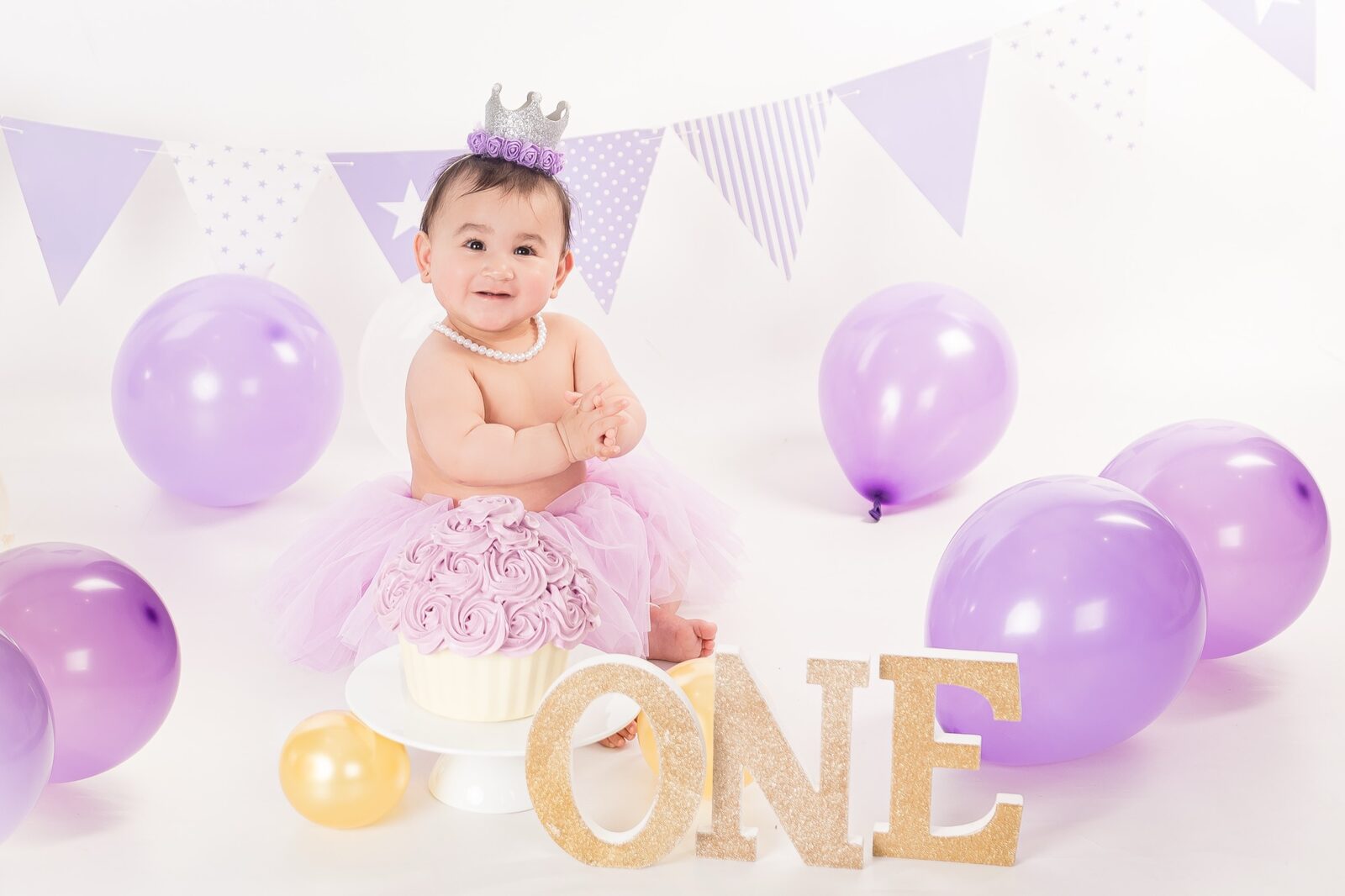
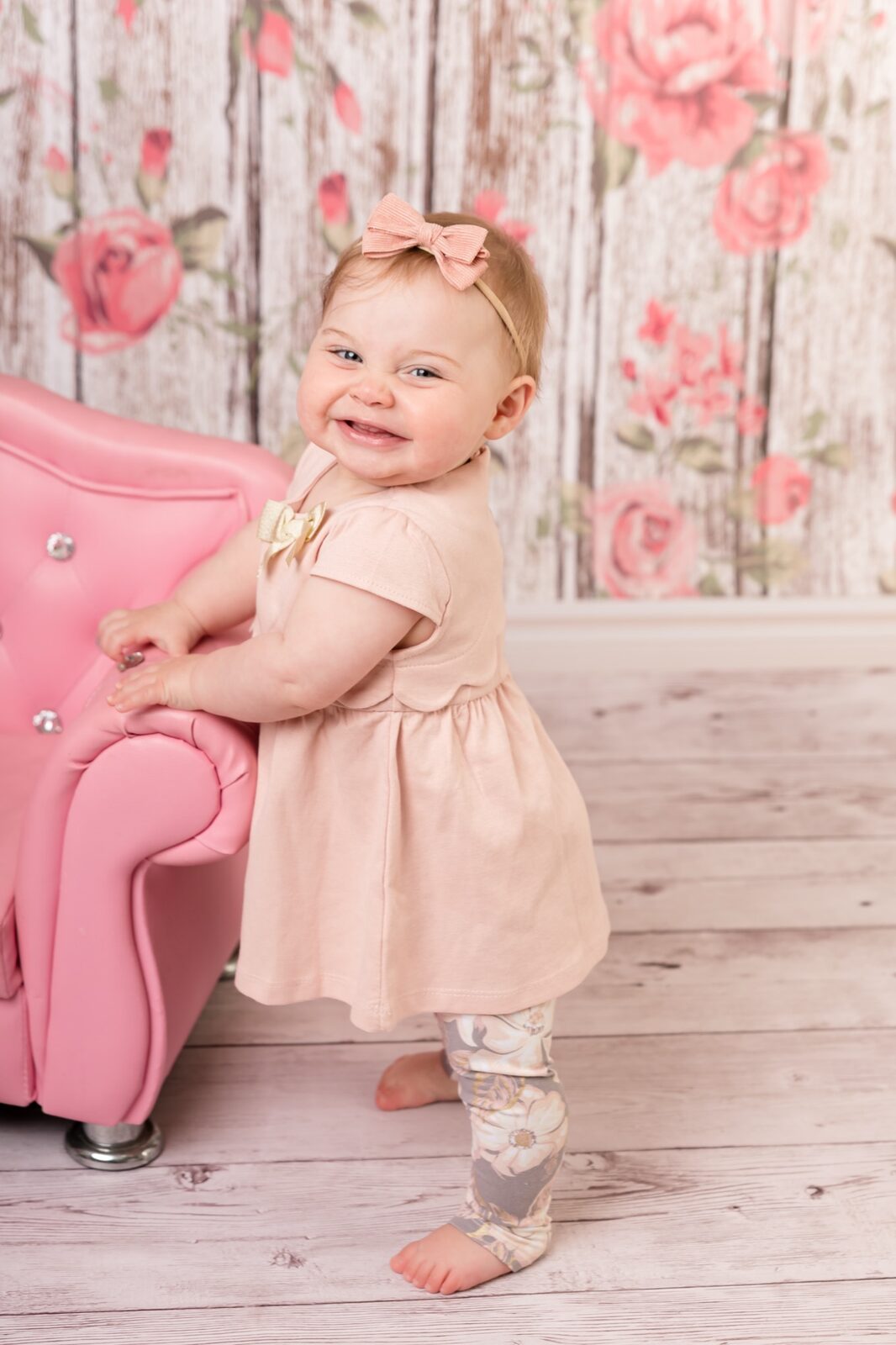
- The best kids photography sessions in Sydney feel like playtime — real personalities emerge when children are comfortable, not performing.
- Age, temperament and timing shape every creative decision, from session length to the props your photographer reaches for first.
- Simple preparation — the right outfit, the right time of day, a relaxed parent — makes a far bigger difference than drilling poses ever will.
What Really Happens During a Kids Photography Session
The first ten to fifteen minutes of any session matter more than most parents realise — and that's not filler. Children arrive at a studio carrying a very natural suspicion. There's a stranger, unfamiliar equipment, and bright lights. They need time to stop sizing up the situation and simply start being themselves.The Warm-Up Period Is Non-Negotiable
At Faithful Photography, we never rush this phase. We let kids explore the studio, touch the props, ask questions, and settle into the space at their own pace. It might look like nothing is happening — but it's laying the groundwork for every genuine expression that follows. During warm-up, a skilled photographer observes rather than directs. They're watching how a child naturally moves, what makes them laugh, and where their attention naturally goes. That intelligence shapes everything from that point forward.From "On Stage" to "At Play"
The shift from self-conscious to unselfconscious usually takes between ten and twenty minutes, depending on temperament and age. Once it happens, you'll see it immediately — the shoulders drop, the real smile appears, and the weird, wonderful faces that make the best kids portraits start to emerge. That transition is the whole job. Everything after is just capturing what's already there. ---How Age and Temperament Shape the Entire Approach
A two-year-old and a seven-year-old are the same species running completely different operating systems. The approach that works brilliantly for one will fall flat with the other.Toddlers and Younger Children (Ages 2–5)
- Session length: 30–45 minutes maximum, with built-in reset breaks every ten to fifteen minutes.
- Energy management: short bursts of engagement work better than sustained focus.
- Best prompts: movement — spinning, jumping, running to Mum or Dad — beats any static pose.
- Essential supplies: a snack, a familiar comfort object, and a parent who looks genuinely calm.
Older Kids and School-Age Children (Ages 6–12)
- Session length: up to 60 minutes, with variety built in to sustain engagement.
- Personality matters: camera-shy kids respond beautifully when they're given choices — which prop to use, which backdrop to try, what game to play.
- Extroverts often need gentle pacing so they don't out-perform the camera and exhaust themselves early.
- Timing: mid-morning after breakfast or early afternoon post-school are the prime slots. Never schedule near mealtime.
The Studio Environment Is Psychology, Not Just Aesthetics
The physical space where a children's photography session takes place directly influences the quality of what you walk away with. This isn't about how pretty the backdrop is — it's about how the space makes a child feel.What We Control in the Studio
- Temperature: we keep studios at around 22°C — comfortable enough that kids stay relaxed, not sticky or shivery.
- Lighting: soft, diffused light flatters children's features and avoids the squinting that harsh studio lighting creates.
- Background noise: a quiet environment means directions land — which matters when you're asking a four-year-old to spin on command.
- Props: simple, colourful, tactile. Elaborate sets overwhelm young children; a single interesting object captures their attention perfectly.
Movement Is the Secret Weapon
Ring-around-the-rosie. "Superman" lifts with a parent. Shoulder sits and spontaneous dances. These physical prompts produce genuine smiles — not the hollow "say cheese" response that reads as performance from thirty metres. We shoot movement from multiple angles — close, mid, and wide — to tell a layered story rather than a single frozen moment. And we repeat a prompt two or three times, because each round produces a slightly different expression without requiring a new idea."The best kids portraits aren't the ones where every hair is in place. They're the ones where you can hear the giggle."---
How to Prepare Your Child — Without the Overthinking
The most common mistake parents make is treating a photo session like exam week — drilling poses, scripting smiles, and loading the morning with nervous energy. Kids are extraordinary emotional barometers. They'll absorb your anxiety and reflect it straight back at the camera.Keep the Conversation Casual
A relaxed heads-up a week out is more than enough: *"We're doing photos, it'll be like playing — there might be snacks."* That's genuinely all they need. They don't require a rehearsal; they need permission to turn up as themselves.The Practical Checklist That Actually Matters
- Schedule the session for your child's best time of day — not yours.
- Ensure they've eaten a proper meal or snack beforehand.
- Pack a comfort object for younger children (it can stay in the bag — just knowing it's there helps).
- Bring a change of outfit if you'd like a variety of looks.
- Arrive five minutes early to let them walk in calmly rather than scrambling through the door flustered.
- Check your own nervous energy at the door — genuinely.
Ready to Capture Your Child's Personality?
Our South-West Sydney studios are designed from the ground up for kids — playful, relaxed, and built for real moments. View our session pricing or jump straight in.
Dressing Your Kids for Their Personality, Not a Pinterest Board
If your child despises dresses, don't put them in one for the shoot. If their default uniform is hoodies and joggers, lean into it. Clothes that feel like a costume produce a child who looks like they're wearing a costume — and that self-consciousness shows in every frame.What Actually Works on Camera
- Solid, neutral tones photograph better than loud prints or clashing patterns.
- Layers add visual interest and give you options if you're going for a variety of looks.
- Comfort over coordination — a child who can move freely photographs naturally; a child tugging at an uncomfortable collar does not.
- Avoid logos, busy graphics, or anything with text that will date the image.
The Role Parents Play — and the Line They Shouldn't Cross
Parents are the single most powerful influence on how a kids photography session unfolds — for better or worse. The best thing you can do is be the hype team, not the director.What "Being the Hype Team" Looks Like
Cheering, coaxing gently, laughing at the silly prompts alongside your child, and trusting the photographer to manage the creative direction. When a child looks to their parent and sees someone relaxed and enjoying themselves, they mirror that immediately.What to Step Back From
Avoid correcting poses mid-shot, repeatedly reminding your child to smile, or escalating when a moment doesn't go to plan. The photographer is reading your child in real time and adapting — sometimes letting them lead, sometimes introducing a prop or a small joke that shifts the energy entirely. That adaptability is the skill. Let it work. When photographer, parent, and child are all working in the same direction, the session produces images that genuinely feel like your family — imperfect, vivid, and absolutely worth framing. If you're planning a broader family session, our family photoshoots in Sydney page walks you through how we approach multi-generational groups and extended family dynamics. ---Why Professional Kids Photography in Sydney Is Worth It
Phone cameras are extraordinary. They're also terrible at the thing that matters most in children's photography: being in the right place, with the right light, at the exact right moment — while also being fully present with your child.What a Professional Photographer Actually Brings
- Anticipation: reading the signs that a great expression is coming a half-second before it lands.
- Consistency: professional lighting that flatters every skin tone and works across the full range of the session.
- Direction without pressure: the language and techniques to draw out personality without manufacturing performance.
- Post-production: careful editing that enhances without distorting — images that look like your child, just beautifully lit.
Frequently Asked Questions
How long does a kids photography session in Sydney typically take?
For toddlers and younger children under five, we recommend sessions of 30–45 minutes with built-in breaks. School-age children generally work well in sessions of up to 60 minutes. We always build in flexibility — if a child needs a snack break or a few minutes to reset, we factor that in rather than push through it.
What if my child is shy or doesn't want to be photographed?
Camera-shy kids are actually some of our favourite subjects — they tend to produce the most genuine expressions once they relax. We give camera-shy children extra warm-up time, let them choose their own props or activities, and never pressure them to pose. The best results almost always come from stepping back and letting the child come to the camera on their own terms.
What should my child wear to their photography session?
Stick to clothes they actually wear and feel comfortable in. Solid or neutral colours photograph best, and layers give you more variety across the session. Avoid busy patterns, logos, or anything with large text. Most importantly — if your child won't wear it happily on a regular Tuesday, don't put them in it for the shoot. Our Family Portrait Wardrobe Tips guide has detailed advice for coordinating the whole family.
Can I bring siblings or the whole family along?
Absolutely. Many of our sessions naturally blend individual portraits with sibling and family groupings. If you're planning a larger group, our family photoshoots in Sydney page covers how we structure multi-person sessions to keep things manageable and fun for everyone involved.
Where are your studios located, and do you serve my area?
We have studios in Glen Alpine and Gledswood Hills, NSW, and we serve families across South-West Sydney and the Macarthur region — including Campbelltown, Camden, Narellan, Oran Park, Harrington Park, Gregory Hills, Mount Annan, and Liverpool, NSW. If you're not sure whether we cover your area, get in touch and we'll sort it out.
How far in advance should I book a kids photography session?
We recommend booking two to four weeks in advance, especially during peak periods like school holidays, end-of-year, and the lead-up to Christmas. Popular weekend timeslots fill quickly. You can check availability and secure your preferred time directly on our booking page.
Visit Faithful Photography Today
Your child's personality is extraordinary — and it deserves images that prove it. Our studios in Glen Alpine and Gledswood Hills are ready to welcome your family for a session that feels nothing like a photo shoot and everything like a good morning.