Key Takeaways
- Professional makeup artists are a practical necessity on Sydney location shoots — not a luxury — because natural light exposes every flaw that studio rigs politely conceal.
- Choosing a makeup collaborator requires more than portfolio-browsing: chemistry, communication, and on-location experience in Australian conditions matter just as much as technical skill.
- Clear pre-shoot briefing and fluid on-set communication between photographer, artist, and subject is what separates polished, sellable images from frames that never leave the hard drive.
Why Professional Makeup Changes Everything on a Sydney Location Shoot
The Camera Is Not Your Friend — But Makeup Can Be
Here's the blunt truth: cameras don't do favours. On an outdoor Sydney shoot, natural light will unzip every pore, highlight every redness, and expose every uneven skin tone that your studio ring light has been graciously softening for months. A professional makeup artist neutralises these issues before the first frame is captured. They work with strategic layering — foundation, colour correction, and setting powder — calibrated specifically for how the camera reads skin, not how it looks in a bathroom mirror. The result is clean, camera-ready coverage that doesn't read cakey or theatrical.Finish Matters More Than You Think
Matte finishes survive brutal midday sun. Dewy bases sing at golden hour but turn into a reflective nightmare at noon. A pro knows the difference instinctively. They also travel with multiple foundation shades because skin undertones are stubbornly individual. A one-shade-fits-all approach creates jarring continuity breaks across a shoot — tiny inconsistencies that multiply across a ten-shot sequence and land squarely in the lap of post-production. That means extra editing time, extra cost, and results that still don't feel quite right. ---Sydney's Climate and the Products That Actually Survive It
Humidity Is Not a Suggestion
Sydney humidity is a condition — one that professional makeup artists prepare for, and amateur applications ignore at their peril. Transfer-resistant formulas, waterproof mascara, and long-wear lip colour aren't luxury upgrades on a South-West Sydney outdoor shoot — they're the baseline. Experienced artists have tested their preferred formulas under similar heat and humidity levels before arriving on your shoot day. They know which foundations hold for four hours at 28 degrees and which ones slide off by mid-morning. That experience eliminates guesswork and reshoots.The Cost of Getting It Wrong
It's surprisingly common to see photographers and clients attempt location work without a professional makeup artist — and the results are predictable: smudged eyes, faded lips, patchy coverage that shifts between frames.- Visible brush strokes and uneven coverage that post-production can't fully rescue
- Colour inconsistency across a multi-model or multi-look shoot
- Shine and moisture breaking through under direct sunlight within the first hour
- Wasted shoot time — and budget — on frames that simply can't be used
Makeup as Sculpture: What Camera-Ready Really Means
Contouring That Respects Natural Light
Makeup for the camera is sculpture — but it's not Instagram makeup. The heavy dark contour streaks that look dramatic in a selfie look absurd under outdoor natural light. A skilled artist uses contouring to help bone structure read clearly under the lens, respecting the actual lighting conditions of your location rather than imposing a studio aesthetic on a bush backdrop or an urban rooftop. That subtlety is the whole point. The makeup should be invisible to the viewer but unmistakably present in the quality of the image.Consistency Across a Full Shoot Day
Consistency is the quiet superpower of a professional makeup artist. Multiple looks, multiple models, same standard — across three hours of shifting light and weather. That requires colour-matching protocols, documented formulas, and a workflow that doesn't panic when the clouds roll in or the wind picks up unexpectedly. On-set touch-ups are an equally important part of the job. Extra powder as the humidity climbs; quick lip colour fixes when talent steps into different light; calm adjustments between shots that keep momentum moving."Good makeup on a location shoot isn't about looking polished — it's about managing risk. The right artist prevents reshoots before the shutter clicks once."---
Finding the Right Makeup Artist for Your Sydney Shoot
Start With Specificity, Not Scrolling
Stop scrolling Instagram and start writing a brief. The right makeup artist for your shoot responds to specifics: shoot type, location, talent count, shoot duration, and desired look direction. Vague enquiries get vague responses. Be direct about your expectations. A bridal makeup artist and a fashion-editorial artist are different animals — different tools, different timing, different working rhythms. Sydney has a deep talent pool; narrowing your brief quickly surfaces the right collaborators.Location Experience Is Non-Negotiable
Ask directly whether the artist has experience on outdoor location shoots in Australian conditions. Studio skills don't automatically translate to outdoor work. Location demands speed, product intelligence, and the ability to improvise when conditions shift. Someone who has done outdoor Sydney shoots — in the Macarthur region, out west, or along the coast — understands golden hour choreography, how to manage sweat and shine over a long shoot day, and which products actually survive the conditions. If they haven't done it, that's a risk you're absorbing.What to Look for Beyond the Portfolio
- Portfolio diversity — look for on-location work, not just studio or bridal shots
- Communication style — do they ask smart questions or wait for direction?
- Product knowledge — can they speak to specific formulas and why they choose them?
- Adaptability — how do they respond when conditions change mid-shoot?
- Tempo — will they keep the shoot moving or slow everything down?
Ready to Book a Session With Full Styling Support?
Our South-West Sydney studio offers professional hair and makeup as part of your session experience — so you arrive camera-ready and leave with images you'll treasure for a lifetime.
Briefing Your Artist: Communication Before the Shoot
The Pre-Shoot Conversation That Saves Your Shoot Day
The best on-location collaborations start well before the day itself. A thorough briefing conversation — between photographer, client, and makeup artist — aligns everyone on the vision, the timeline, and the practical realities of the location. Cover these essentials in your pre-shoot brief:- Location conditions — shade availability, sun direction at shoot time, expected temperature
- Lighting plan — will you be shooting into the sun, in open shade, under mixed canopy?
- Look direction — share reference images; describe the mood in words, not just aesthetics
- Talent specifics — skin type, known sensitivities, personal preferences
- Shoot schedule — when makeup needs to be complete, how long the shoot runs, any look changes
- Contingency plan — what happens if weather changes, shoot runs long, or conditions shift
The Look Direction Document
A shared mood board or simple look-direction document prevents costly misalignment. Your makeup artist shouldn't be interpreting a verbal description on the morning of the shoot when everyone is already under time pressure. Send references in advance. Give feedback. Reach alignment before the shoot day, not during it. This is how professionals work — and it's why the images they produce look professional. ---On-Set Dynamics: Collaboration That Actually Works
Makeup Artists Are Part of the Creative Team
On a well-run location shoot, the makeup artist isn't a separate contractor waiting in a corner — they're an active participant in the creative process. They communicate with the photographer about lighting shifts, alert the team when touch-ups are needed, and anticipate problems before they appear in the frame. The photographer sets the lighting. The makeup artist adjusts to it. That collaboration — in real time, across a full shoot day — is what produces consistent, high-quality output. When those two roles aren't communicating, the results show.Keeping Talent Comfortable and Confident
A professional makeup artist does something the camera gear can't: they settle the subject. Confidence photographs. A client who feels polished and prepared carries themselves differently — and that ease translates directly into natural, genuine expressions. For corporate photography in Sydney, where subjects are often uncomfortable in front of the camera, this is especially valuable. A quick, professional makeup application and a calm, reassuring artist can completely transform the energy on a shoot. ---Makeup Across Different Session Types in South-West Sydney
Maternity and Family Sessions
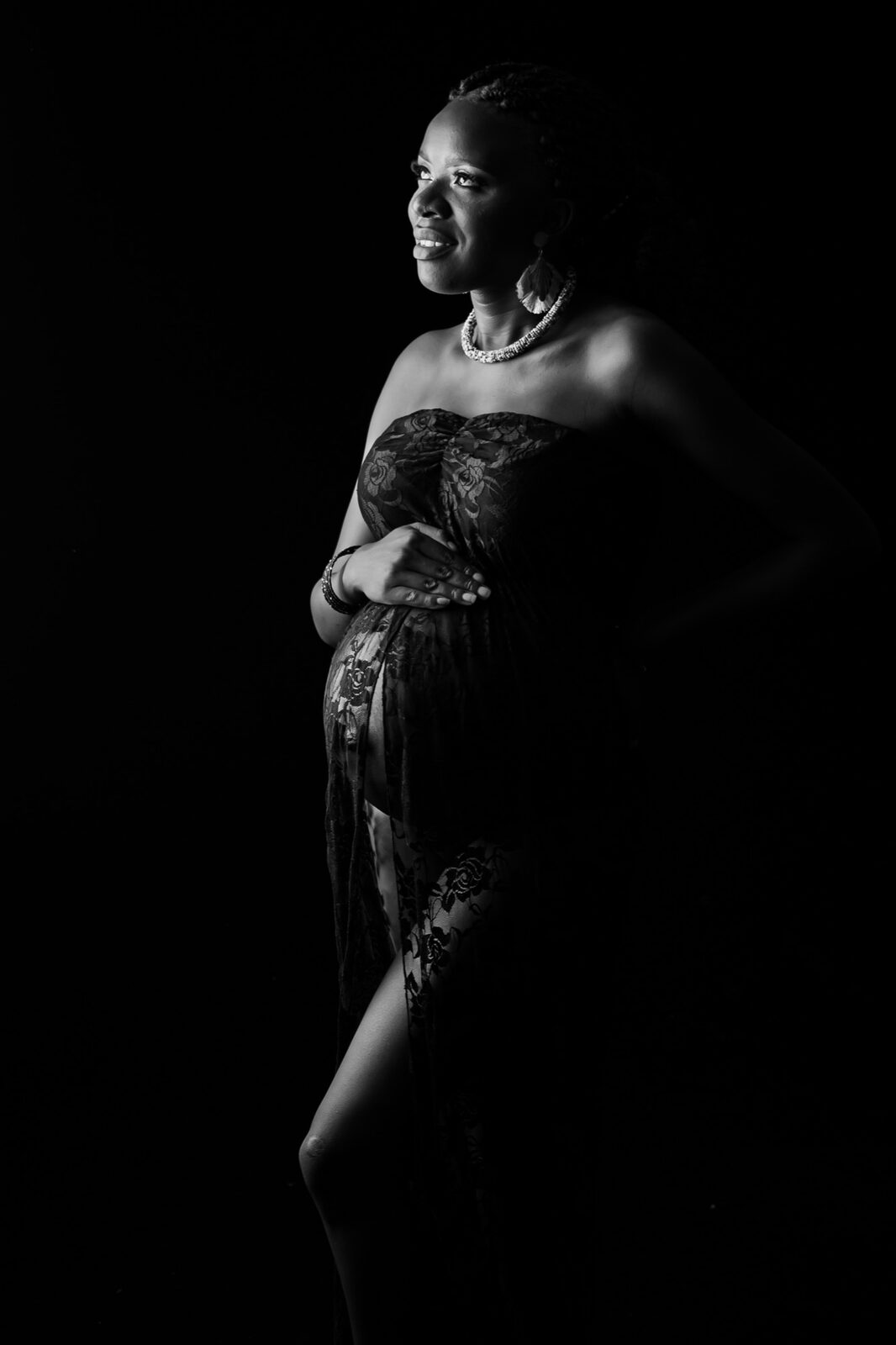
For a maternity portrait session, professional makeup does double duty: it helps the subject feel their most beautiful at a significant life moment, and it ensures the images hold up to the scrutiny of being printed large and displayed in the home for years. The same applies to family photoshoots — especially outdoor sessions in locations like Glen Alpine or Gledswood Hills where the natural environment is gorgeous but uncontrolled. Read our tips on family portrait wardrobe coordination alongside your makeup planning for a fully cohesive, camera-ready look.Corporate and Commercial Shoots
For commercial work — headshots, team portraits, brand campaigns — consistency across multiple subjects is the entire brief. One talented makeup artist with a documented formula for each talent is far more efficient and reliable than three subjects applying their own makeup to different standards.- Consistent skin tone treatment across an entire team
- Camera-appropriate coverage that reads clean under mixed indoor and outdoor light
- Fast, efficient application that respects tight shoot schedules
- Touch-up availability between shots to maintain consistency
Frequently Asked Questions
Do I need a makeup artist for an outdoor location shoot in Sydney?
For professional or commercial shoots, yes — we strongly recommend it. Natural and outdoor light is far less forgiving than controlled studio lighting. A professional makeup artist ensures your subjects are camera-ready, addresses shine and uneven tone, and maintains consistency across a full shoot day. For personal sessions like maternity photography or family portraits, makeup artistry adds significant polish to your final images.
What's the difference between a makeup artist for photography versus everyday makeup?
Photography makeup is calibrated for how a camera reads skin under specific lighting — not how it looks to the naked eye. Techniques like contouring, setting powder, and colour correction are applied differently than everyday makeup because the camera compresses and flattens features. An experienced photography makeup artist understands this distinction and applies finishes that look natural on camera, even if they appear heavier in person.
Does Faithful Photography offer makeup services as part of a session?
Yes. Our hair and makeup services are available as part of your session experience at our Glen Alpine and Gledswood Hills studios. Our artists are familiar with our photography environment and lighting approach, which means they can prepare you specifically for how you'll be photographed — not just for general presentation. Visit our session pricing page for details on what's included.
How far in advance should I book a makeup artist for a location shoot?
For a straightforward portrait session, two to four weeks is generally sufficient. For commercial shoots involving multiple subjects, complex looks, or specific styling requirements, six to eight weeks gives everyone adequate time for a thorough pre-shoot brief and any look-development conversations. In Sydney's busy summer and spring seasons, popular artists book out quickly — so earlier is always better.
Can a makeup artist handle multiple subjects across a long shoot day?
An experienced professional can manage multiple subjects efficiently, provided the brief is clear and the schedule is realistic. Expect roughly 30–45 minutes per subject for a full camera-ready application, plus time for look changes and on-set touch-ups. For large team or commercial shoots, some productions hire two artists to maintain pace. Discuss your talent count and schedule openly during the briefing process so the artist can plan accordingly.
What should I bring or prepare before a session with a makeup artist?
Arrive with a clean, moisturised face — no heavy SPF or primer unless specifically advised by your artist. Share any skin sensitivities or allergies in advance. Bring reference images that represent the look direction you're after, and wear a button-up or zip-up top to avoid disturbing your makeup when you change into your shoot outfit. If you wear glasses regularly, let your artist know — it affects how they approach contouring and eye makeup.
Visit Faithful Photography Today
Whether you're planning a maternity session, a family portrait, or a commercial location shoot across the Macarthur region, our team at Faithful Photography is here to help you create images that genuinely reflect who you are. From our studios in Glen Alpine and Gledswood Hills to on-location shoots across South-West Sydney, we bring the experience, the skill, and the collaborative spirit that makes the difference between a photo and a photograph.