Key Takeaways
- On-location corporate portraits communicate company culture and personal credibility in ways a studio backdrop simply cannot replicate.
- Thorough site scouting and a locked-in schedule are the two non-negotiables that separate a polished shoot day from an expensive scramble.
- The right photographer brings the right gear, the right workflow, and the human connection that makes on-site subjects look like themselves — not like they're enduring a headshot.
Why On-Location Corporate Portraits Outperform Studio Backdrops
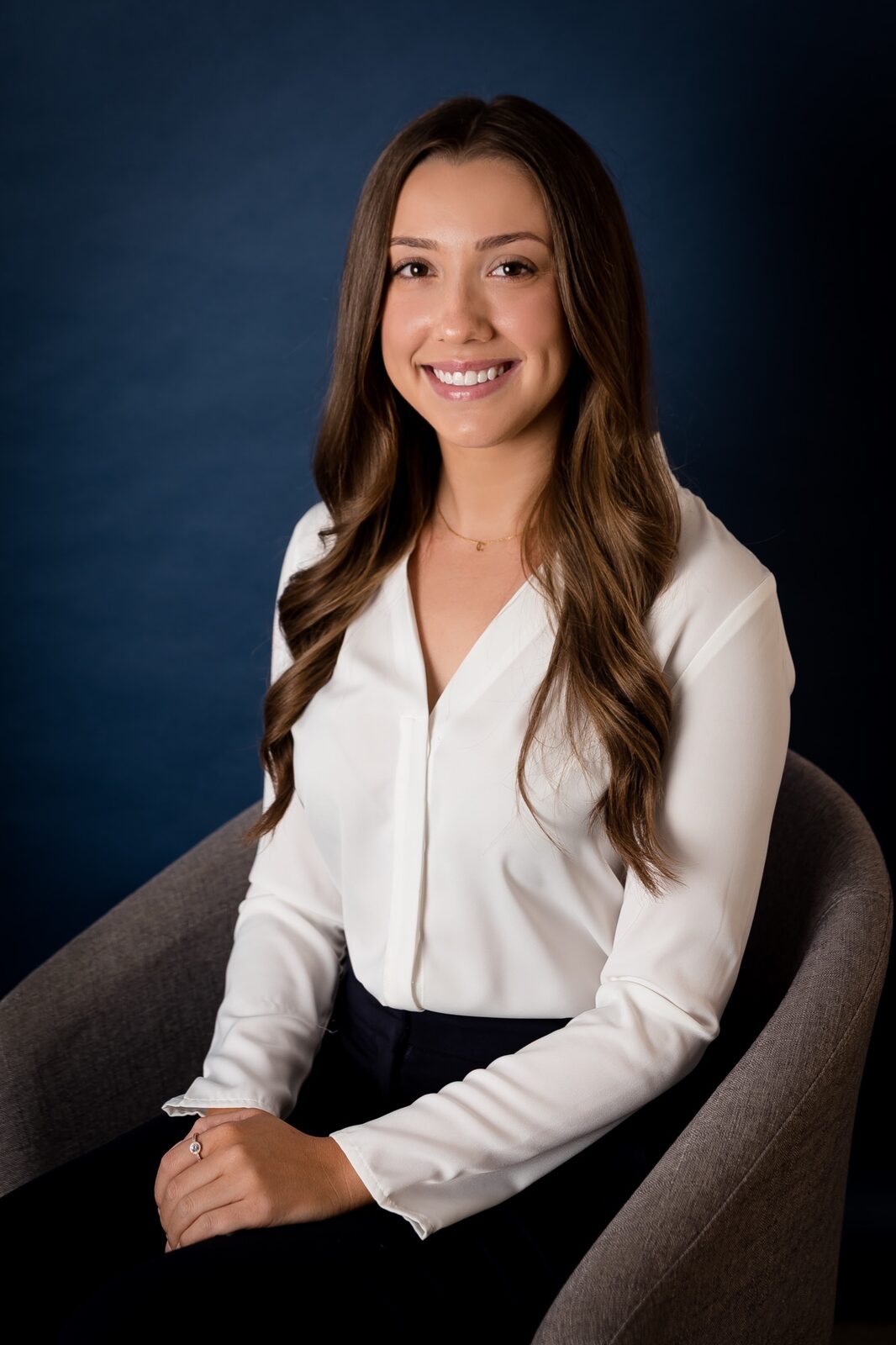
Studio headshots have their place. But they tell a narrow story: "I exist, I own a collared shirt, someone pointed a camera at me." That's not nothing — but it's not much. An on-location portrait tells a completely different story. It says: *this person actually does this work, in this place, surrounded by these people.* That's credibility. And viewers feel it instinctively, before they're even conscious of registering the background.Context Is the Message
When a finance director is photographed at a desk layered with dual monitors and a well-worn notepad, the image radiates authority and presence. When a real estate agent is framed against a wall of current listings, the portrait communicates track record without a single word. When a creative director is shot in a studio scattered with mood boards and material samples, the image says: *I live and breathe this.* Studio backdrops flatten all of that. They strip away the environmental cues that build trust — and replace them with a blank wall that says absolutely nothing about who this person is or what they actually do.Authenticity Is No Longer Optional
We're in an era where buyers, clients, and candidates are increasingly sceptical of polished, generic imagery. They can spot the stock-backdrop headshot from a kilometre away — and subconsciously, they discount it. Research on environmental portraiture consistently shows that contextually rich images boost viewer trust versus isolated headshots. That's not a subtle nuance. For a business investing in team portraits for its website, LinkedIn, and pitch decks, the difference can be measured in enquiries.The Environmental Details That Do the Heavy Lifting
Great on-location corporate portraits are rarely about the subject alone. They're about the conversation between the person and their space. The details matter enormously:- A lawyer photographed in a book-lined office radiates specialisation and authority.
- A fitness coach framed against a studio floor — kettlebell in the foreground, chalk dust implied — signals lived-in expertise.
- A tech founder shot at a standing desk surrounded by whiteboards full of diagrams says: we're building something real.
- A florist photographed mid-arrangement, surrounded by colour, communicates passion more efficiently than any bio paragraph ever could.
Site Scouting: The Work That Makes the Day
Here's the truth about on-site corporate shoots: the preparation is the job. Photographers who show up without scouting are gambling with your brand — and usually losing.Walk the Space Before Shoot Day
Visit the location in person at least a week out — or run a thorough video walkthrough if logistics require it. You need to understand:- Where natural light enters and at what time of day it's most flattering
- Which walls, corridors, and spaces make workable portrait backgrounds
- Where power points are located for lighting equipment
- Whether the room breathes or feels cramped
- What the ambient noise is like (critical for video elements, if relevant)
Confirm the Schedule at Least Two Weeks Out
Vague timing is the silent killer of on-location shoot days. Meetings run long, senior executives get pulled into calls, and suddenly your carefully planned 30-minute slots collapse into panicked 10-minute sprints. Lock an exact schedule with your client well in advance. A professional-grade timeline should include:- Photographer arrival and setup window (allow a minimum of 45 minutes)
- Individual portrait slots, listed by name
- Group shot windows, flagged separately
- Buffer time between subjects
- Hard end-of-access time for the space
"When the schedule holds and the space has been properly scouted, the real work begins — connecting with the person in front of the lens and capturing who they actually are."
Equipment, Workflow, and Managing Surprises on Site
On-location work is unforgiving in ways that studio work simply isn't. There's no backup power outlet at exactly the right angle. There's no way to reshoot tomorrow because the space is booked. Professional preparation means treating every possible failure point as a planning item, not an acceptable risk.What to Bring (and Why Redundancy Matters)
- Extra batteries — at least two full sets per camera body
- Duplicate memory cards — shooting to dual slots where possible
- Portable lighting — LED panels, reflectors, and a compact softbox for tight spaces
- Tethering setup — so clients can review selects in real time
- A clothing steamer or lint roller — small item, enormous impact on polished results
Directing Non-Photographers (Politely, Firmly)
Most corporate subjects are not models. Many of them are mildly terrified of cameras. A skilled on-location portrait photographer creates structure — clear direction, a steady pace, light conversation — so subjects feel guided rather than exposed. Brief each person before they step in front of the lens. Tell them where to stand, what to do with their hands, and what the portrait is going to be used for. That context helps them inhabit the frame naturally, rather than bracing for a mugshot.Ready to Elevate Your Corporate Image?
Faithful Photography brings professional on-location portrait expertise to South-West Sydney businesses — from Campbelltown and Camden to Narellan and beyond.
Choosing the Right Corporate Photographer for an On-Site Shoot
Not every photographer is equipped — technically or temperamentally — to run an on-location corporate session. It's a different discipline from studio work, and the gap between a competent studio shooter and a polished on-site operator is wider than most clients expect. When evaluating photographers for an on-site corporate project in the Macarthur region or across South-West Sydney, look for:- A proven portfolio of environmental portraits — not just posed studio headshots
- Evidence they've worked in varied lighting conditions, including mixed artificial and natural light
- Clear communication about their pre-shoot scouting process
- A realistic, detailed approach to scheduling
- Flexibility with delivery formats for web, print, and social media
Hair and Makeup: The Detail That Elevates Every Corporate Portrait
One thing that separates a genuinely polished on-location corporate session from a rushed shoot-and-go is professional hair and makeup. It sounds like a luxury. It isn't. Camera sensors are unforgiving. They catch shine, shadows, and unevenness that the human eye glosses over in person. Professional makeup designed for photography neutralises those issues — and the result is portraits that look consistently polished across an entire team, regardless of how each individual arrived that morning. Faithful Photography offers professional hair and makeup services as part of our corporate packages. It's one of the most impactful investments a business can make in a team portrait session — and it dramatically reduces the time spent on post-processing.What to Expect From Your Finished Portrait Deliverables
A professional on-location corporate session should deliver more than a folder of JPEGs. The deliverables should be structured to serve the business's actual use cases. Before your shoot day, confirm with your photographer:- Resolution and file format requirements for web, LinkedIn, print, and email signatures
- Whether retouching is included or available as an add-on
- Turnaround time for proofing and final delivery
- Licensing terms for internal and external use
- Whether group shots and individual portraits are priced separately
Frequently Asked Questions
What makes on-location corporate portraits better than traditional studio headshots?
On-location corporate portraits place your team members in their actual working environment, which adds context, credibility, and authenticity that a plain studio backdrop can't provide. Environmental cues — the office, the tools, the space — communicate culture and competence instantly. Studio headshots are technically clean but contextually empty. For businesses wanting to attract the right clients, partners, or talent, on-site portraits tell a far more compelling story.
How far in advance should I book an on-location corporate session?
We recommend booking at least four to six weeks in advance for on-location corporate sessions. This allows time for a proper site scout, schedule coordination with your team, and any pre-shoot logistics such as hair and makeup bookings. For larger teams of 20 or more, six to eight weeks is more realistic. Last-minute bookings are sometimes possible — contact us directly to check availability.
Do you photograph businesses outside of Campbelltown and Camden?
Yes. While Faithful Photography's studios are based in Glen Alpine and Gledswood Hills, we regularly travel to client sites across South-West Sydney and the wider Macarthur region — including Narellan, Oran Park, Gregory Hills, Liverpool NSW, and surrounding areas. Travel fees may apply depending on location. Get in touch and we'll confirm availability for your site.
How long does an on-location corporate portrait session take?
Session length depends on team size and the scope of deliverables. As a general guide, allow 5 to 10 minutes per person for standard headshots and 20 to 30 minutes per person for senior executives who need varied compositions and wardrobe options. A well-organised session for a team of 10 typically runs two to three hours including setup, shoot time, and wrap. We'll build a detailed schedule with you before the day.
Is professional hair and makeup necessary for a corporate shoot?
It's not mandatory, but it makes a measurable difference. Camera sensors pick up texture, shine, and unevenness that looks perfectly normal in person. Professional makeup designed for photography ensures every team member looks consistently polished — which matters enormously when portraits are displayed side by side on a website or in a company brochure. We offer professional hair and makeup as part of our corporate packages and highly recommend it for client-facing portrait work.
What should team members wear for an on-location corporate portrait session?
Advise your team to wear clothing that reflects your brand's professional standard — whether that's business formal, smart casual, or brand-colour uniforms. Solid colours generally photograph better than busy patterns or small checks. Avoid logos of other brands, and encourage team members to bring a backup outfit option. We'll send a detailed style guide once your session is confirmed.
Visit Faithful Photography Today
Ready to give your business portraits the credibility and authenticity they deserve? Faithful Photography serves South-West Sydney businesses from our studios in Glen Alpine and Gledswood Hills — and on location wherever your team calls home.