Key Takeaways
- Professional makeup for shoots is calibrated for how camera sensors read light, colour and dimension — not just how you look in a mirror.
- A makeup artist with genuine photography experience prevents washout, hotspots and inconsistency across dozens of frames and multiple angles.
- Skin prep, clear communication with your artist, and the right product choices determine whether that professional application holds from the first frame to the last.
Why Professional Makeup Transforms Your Photos
Your Mirror Lies. Your Camera Doesn't.
Camera sensors read faces entirely differently than mirrors or everyday lighting do. Studio lights flatten skin tones, deepen shadows beneath the eyes and eliminate the subtle dimensional cues your face naturally presents in the real world. What looks balanced and radiant standing in your bathroom under warm downlights can read as washed-out, uneven or flat the moment a camera flash fires. Professional makeup bridges that disconnect — it's engineered for how cameras perceive light, colour and depth, not how humans perceive a face across a room.It's Not Polish — It's Visibility
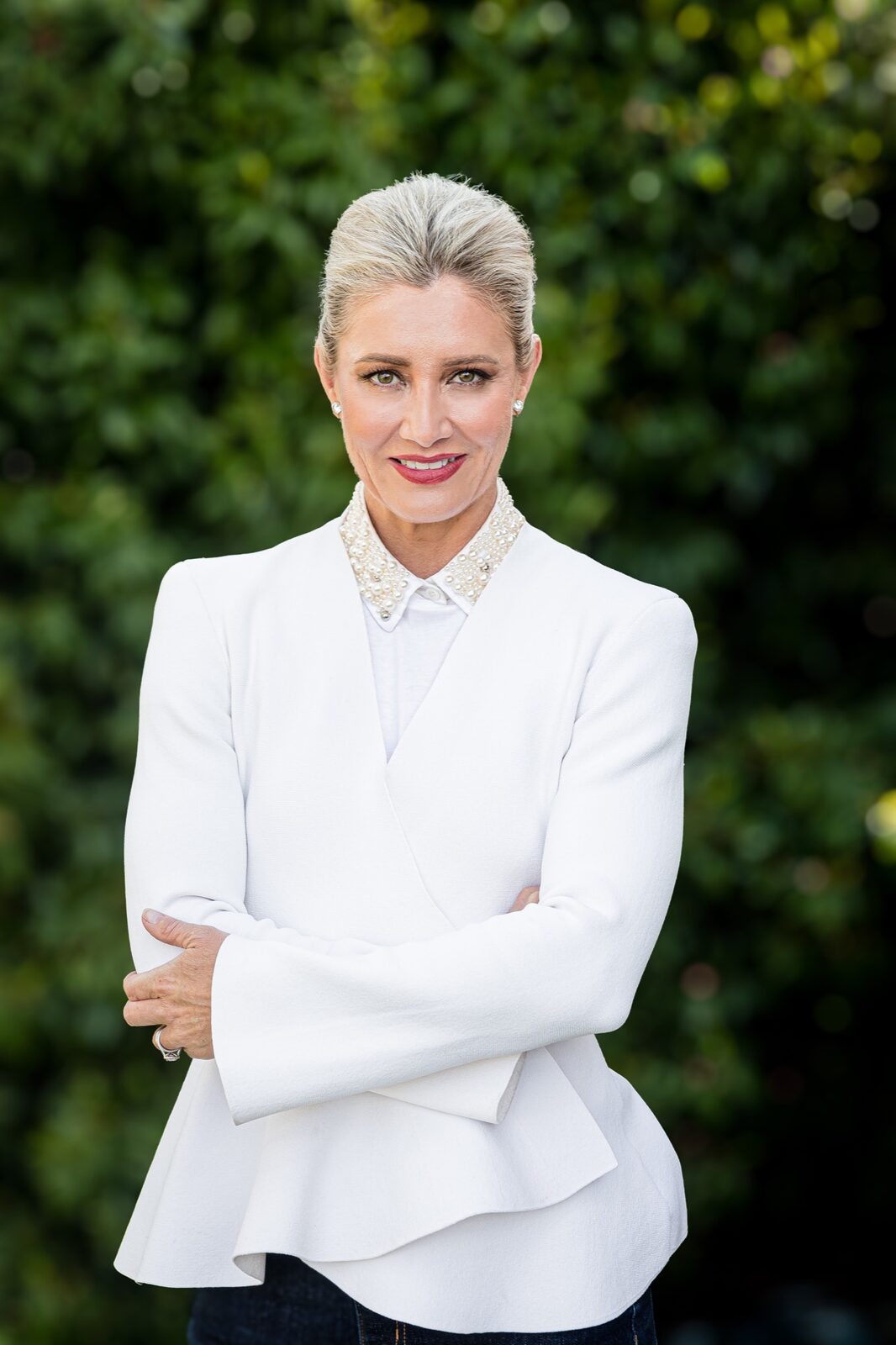
Research has consistently found that professionally applied makeup increases perceived attractiveness in photographs. That's not a trivial finding. It means the investment you make in a makeup artist directly influences how your images are received — whether that's by a potential corporate client viewing your corporate headshot, or a grandparent seeing the family portrait on your wall for the first time. Makeup for a photo shoot is a precision tool, not a cosmetic luxury. If you're committing time, money and emotional energy to a session, your makeup needs to work just as hard as your photographer's lighting rig. ---How Light and Camera Angles Change Everything
Flash Photography Has Its Own Rules
Studio lights and natural sunlight behave like different languages — and self-applied makeup usually only speaks one dialect. Flash photography, in particular, punishes thin or dewy coverage hard. Under a strong flash or continuous studio light:- Thin foundation washes out, leaving skin looking sallow or uneven
- Glossy and dewy finishes create hotspots and blown-out highlights
- Self-applied contour either reads as muddy or disappears entirely depending on the shooting angle
- Undertones that look neutral in a mirror can skew pink, orange or grey on camera
Not All Lighting Rigs Are the Same
Daylight, tungsten, LED and flash each render colour temperature differently. A makeup artist with genuine photography experience understands that what works under one light source can completely fall apart under another. The good ones test their work under the actual shoot conditions — or ask the right questions beforehand — rather than discovering a problem mid-session. ---Staying Consistent Across Every Frame
A photo shoot is a machine: dozens of frames, varied angles, different distances, lighting positions shifting throughout the session. Self-applied makeup simply isn't designed to survive that kind of sustained scrutiny. Professional application is engineered for consistency. Waterproof formulas, strategic powder placement and quality setting sprays mean your makeup reads exactly the same whether you're:- Shot straight-on or in three-quarter profile
- Framed in a wide group shot alongside your family
- Cropped tight for a headshot or pulled back for an environmental portrait
- Photographed in the first five minutes of the session or the last
"The right makeup artist isn't a stylist — they're an engineer for light, angle and sensor behaviour. They make sure your cheekbones register, your skin reads even and your expressions don't wash out the moment a flash fires."---
Preparing Your Skin Before the Shoot
Professional makeup application performs best on a well-prepared canvas. The work starts several days before you ever sit in the artist's chair.The Week Before Your Session
- Hydrate consistently — well-hydrated skin holds foundation more evenly and reflects light more naturally.
- Exfoliate gently — remove dead skin cells so foundation doesn't settle into texture. Avoid harsh scrubs in the 48 hours before your shoot.
- Sleep properly — under-eye darkness and puffiness are significantly harder to correct in makeup than they are to prevent.
- Avoid introducing new products — a new serum or mask the night before is a risk you don't need to take.
- Come to the session clean-faced — arrive without makeup already applied so your artist starts on a fresh, neutral base.
Communicate Clearly With Your Artist
Tell your makeup artist everything relevant: your skin type, any sensitivities or allergies, whether you prefer a more natural finish or something more polished, and what the photos will ultimately be used for. A headshot for LinkedIn reads differently to a maternity portrait, and your artist should know which outcome they're working toward. If you're planning a maternity session, our blog on maternity portrait session ideas covers additional preparation tips worth reading before your shoot date. ---Ready to Look Your Absolute Best on Camera?
Faithful Photography offers professional hair and makeup services to complement every session — so you arrive camera-ready and leave with images you'll love for a lifetime.
Choosing a Makeup Artist Who Understands Photography
General Makeup Experience Is Not Enough
Most makeup professionals train for in-person application: mirrors, ambient light, arm's-length checks. That skill set is valuable — but it doesn't automatically transfer to photography. A camera flattens dimension, deepens shadows and misreads colour temperature. What looks flawless in real life can read as muddied, over-contoured or blown-out on film. You need an artist who has worked on actual shoots — studio sessions, headshots, family portraits, editorial work — not just someone who's brilliant at evening events and bridal touch-ups.Ask the Questions That Actually Matter
When evaluating a makeup artist for your session, push past the general portfolio and ask directly:- How many photo shoots — studio, location or flash-based — have you worked on?
- Do you have experience across different lighting setups: LED, tungsten, natural light, flash?
- Can you show me examples of your work specifically in photos, not just in-person shots?
- How do you approach skin tones that photograph differently to how they read in person?
Review Their Work in Photographs, Not in Person
An artist's portfolio should show you finished photographs — not selfies, not mirror shots, not in-person event pictures. You're hiring someone to make you look outstanding on camera, and the only valid proof of that skill is camera output. Look for even skin texture that holds across varying focal lengths, defined but not muddy contour, and natural-looking colour that doesn't skew orange or ashy under studio conditions. ---Who Benefits Most From Professional Makeup for Shoots
The short answer: almost everyone. But certain sessions make it especially worthwhile.Corporate and Personal Branding Sessions
Your corporate headshot is often the first impression you make on a potential client, employer or collaborator. A single image gets cropped, resized and reproduced across LinkedIn, websites, email signatures and proposals. Consistency and polish matter enormously at that scale — and professional makeup is what creates that consistency across every crop and format.Maternity and Newborn Sessions
Pregnancy and the early newborn period are physically demanding. Professional makeup helps you feel and photograph as your best self during sessions that carry enormous emotional weight. For newborn photography, the focus is rightly on your baby — but the images include you too, and you deserve to look and feel extraordinary in them.Family and Extended Family Portraits
When you're coordinating a group portrait session — whether it's an immediate family or a larger extended family session — professional makeup for the adults ensures the final images feel cohesive and considered. Pair this with thoughtful wardrobe planning; our guide on family portrait wardrobe tips covers the clothing side in detail. ---Professional Makeup at Faithful Photography
At Faithful Photography, our studios in Glen Alpine and Gledswood Hills, NSW are set up to support a full preparation experience. We work with professional hair and makeup services so clients can arrive at the studio and be camera-ready before the session begins — no running late, no last-minute stress, no uncertainty about whether your makeup will hold. Our photographers understand exactly how studio lighting interacts with different makeup styles, skin tones and session types. That means your makeup artist and your photographer are working toward the same outcome from the very first frame. Whether you're booking a session in Campbelltown, visiting our Gledswood Hills studio, or coming to us from Camden or the surrounding Macarthur region, we make the experience as seamless as possible — so the only thing you need to think about is showing up. ---Frequently Asked Questions
Do I need professional makeup for a family portrait session?
It's not mandatory, but it makes a genuine difference. Studio lights flatten skin tones and deepen shadows in ways that self-applied makeup often can't compensate for. Many of our clients at Faithful Photography find that professional makeup is the detail that elevates their family portraits from lovely to exceptional — especially for group frames where consistency across multiple people matters.
Can I do my own makeup for my shoot if I'm experienced at applying it?
Absolutely — many clients do. However, even skilled everyday makeup wearers benefit from professional application for photography, because camera-ready makeup uses different techniques and products than everyday wear. If you're doing your own makeup, use a full-coverage, matte-finish foundation, avoid anything too dewy or glossy, and set everything well with a translucent powder. Arrive with your makeup fully done and we can advise on any adjustments before we start.
What should I tell my makeup artist before a photo shoot?
Tell them the session type (corporate headshot, family portrait, maternity, etc.), the lighting conditions you're expecting (studio flash, natural light, outdoor), your skin type and any sensitivities, and your preferred finish — natural, polished or somewhere in between. Bring reference images if you have them. The more context your artist has, the more effectively they can calibrate the application for camera performance rather than in-person appearance.
Does Faithful Photography offer hair and makeup services?
Yes. We work with professional hair and makeup artists to offer a complete preparation experience ahead of your session. This means you can arrive at our Glen Alpine or Gledswood Hills studio and have everything handled in one place — no separate bookings, no timing stress. Details on our hair and makeup services are available on our website, and our team is happy to discuss options when you enquire.
How far in advance should I book a makeup artist for my session?
As early as possible — particularly for peak periods like spring and the pre-Christmas season. We recommend confirming your makeup service at the same time you book your photography session. This ensures availability and gives your artist time to discuss your preferences and skin prep recommendations in advance. Visit our session pricing page for a full breakdown of what's included in each package.
Will professional makeup look too heavy or unnatural in my photos?
When applied correctly for photography, professional makeup should look natural and effortless in your final images — not heavy or overdone. The goal is to calibrate your skin's appearance for camera conditions, which actually results in a more natural outcome than under-applied makeup does. A good photographer-savvy artist understands the difference between makeup that reads as natural on camera and makeup that looks natural in a mirror — they're not always the same thing.
Visit Faithful Photography Today
We're an award-winning photography studio serving South-West Sydney, Campbelltown, Camden, Narellan and the Macarthur region — with studios in Glen Alpine and Gledswood Hills, NSW. Whether you're looking for a newborn session, family portraits, maternity photography or a polished corporate headshot, we'll make sure you look and feel extraordinary from the first frame to the last.