
Key Takeaways
- Great children's portraits hinge on three fundamentals: thoughtful positioning, flattering natural light, and prompts that draw out real expression — not a forced smile.
- Rapport comes before the camera does. A five-minute play warm-up is worth more than five minutes of shooting from a standing height.
- Sydney's golden hour light and north-facing window light are your most powerful and completely free tools for flawless kids' portraits.
Positioning Kids So the Camera Feels Like a Friend
The biggest mistake in children's portrait photography is treating kids like miniature adults. They are not. Their relationship to stillness, to instruction, and to the idea of "performing for a photo" is entirely different. Positioning them well means understanding that psychology first, and technique second.Props Turn Play Into Portraits
A prop is not decoration — it is a distraction strategy. When a four-year-old has something to hold, lean on, or fiddle with, the pressure to smile on command quietly evaporates. Real emotion surfaces faster because the child's brain is occupied with the object, not with the performance anxiety of being photographed. The golden rule: keep it single and tactile. One small thing that begs to be touched — a wooden crate, a soft toy, a bunch of wildflowers — works far better than a busy arrangement of props that competes for attention. Oversized or novelty props pull focus; a simple, inviting object frames the child beautifully.Get Down to Eye Level — Every Single Time
Shooting from above a child is a power move, and it reads that way in the final image. It makes them look small, slightly disconnected, and oddly formal. Eye-level shooting creates genuine visual equality — the photograph becomes a conversation rather than a performance. Crouch, kneel, sit on the floor — whatever it takes to bring your lens to their eye line. When a child looks up and sees your face at the same height as theirs, rapport forms almost instantly. The dynamic flips from "put on a show" to "we're just hanging out."Embrace Movement Over Stillness
Kids are kinetic creatures, and the best children's portraits reflect that energy rather than fight it. Shots of walking toward the camera, mid-giggle mid-reach, or glancing back over a shoulder carry far more life than a perfectly posed, perfectly still frame ever could.- Ask them to walk slowly toward you — then call their name just before you shoot.
- Have them spin around on the spot, then look at you when they stop.
- Give them a gentle task ("can you find the light switch?") and photograph the doing, not the posing.
- Let siblings interact naturally — the candid glances between them are often the hero shots of the session.
Light That Flatters Without Fighting You
Light is the single biggest technical variable in a children's portrait session — and the good news is that the best sources are either free or very close to free. Understanding how to read and position light transforms ordinary settings into professional-looking environments.Window Light: Your Most Powerful Indoor Tool
Position your child one to two metres from a north-facing window (or any window that receives indirect, diffused light) and let it wrap softly around their face. This replicates the effect of a large studio softbox — the kind of light that is gentle on skin tones and naturally flattering on small faces. Distance matters enormously. Too close to the window and the light becomes uneven, blowing out highlights on the side nearest the glass. Too far away and the image flattens, losing that lovely dimension and shadow separation that makes a portrait feel three-dimensional. If your window receives direct afternoon sun, hang a sheer white curtain across it. That single change eliminates squinting, kills harsh shadows, and gives you smooth, even, skin-friendly light — one of the easiest wins in children's indoor portrait photography.Golden Hour Sculpts Features Without Harshness
For outdoor children's portrait sessions across South-West Sydney — in locations from Campbelltown to Camden — golden hour is non-negotiable. Roughly an hour after sunrise and an hour before sunset, the sun sits low and warm. Light hits faces at approximately 45 degrees, gently sculpting cheekbones and adding a softness that midday sun simply cannot provide. Midday sun is, bluntly, a nightmare for children's portraits. Deep eye sockets, blown highlights, and kids squinting so hard you lose all expression. If noon is your only option, move into open shade — beneath a tree canopy or under a building overhang — where the light remains even and indirect. The soul of the portrait stays intact.Overcast Days Are Secretly Ideal
An overcast Sydney sky is nature's giant diffusion panel. Cloud cover scatters light uniformly, eliminating harsh shadows and creating beautiful, even illumination across your subject's entire face. Many photographers overlook overcast conditions, but experienced children's portrait photographers actively welcome them.- No squinting — even young children can hold comfortable, open expressions.
- Consistent exposure across the frame — no blown patches or deep shadows to recover in post.
- Softer, more forgiving skin tones that suit newborns and young children especially well.
Building Rapport Before the Camera Appears
This is the step most amateur photographers skip, and it is the most important one. Arrive, set down your gear, and spend five to ten minutes in pure conversation before you raise the camera. Ask about their favourite dinosaur, their pet's name, their current obsession. Get on the floor with them. Be interested, not efficient. That investment lowers anxiety and sends a clear signal: this is a safe, fun space. Children are remarkably good at reading adult energy. If you feel rushed or businesslike, they feel it too — and they shut down or play up accordingly."Nail the trust first and the technical stuff — lighting, posing, expression — falls into place. You cannot shortcut your way to a genuine portrait."Use questions and prompts rather than commands. "Think of the funniest thing that happened at school this week" produces a more authentic expression than "now smile." Candid beats coached every single time, because it reveals who the child actually is — not who they think they should be for a photograph. ---
Prompts That Unlock Genuine Expression
Expression is the soul of a children's portrait. A technically perfect image of a child performing a "camera smile" is ultimately a lesser photograph than a slightly imperfect frame capturing a moment of genuine delight. Here is how we consistently draw out the real thing.Whisper Tactics and Silly Questions
Lean in and whisper something completely ridiculous in a child's ear — "I think your mum is actually a secret astronaut" — then step back and shoot as they process it. The involuntary reaction in the next two seconds is usually pure gold. Similarly, ask absurd questions with a straight face. "If you could eat only one food for the rest of your life and it had to be a vegetable, which one?" The furrowed brow, the moment of genuine thought, the eruption of laughter — all of it is authentic, and all of it makes for beautiful portraits.Use Siblings and Parents Strategically
A child will almost never perform their most genuine expression for a photographer. They will perform it for their parent or sibling. Position a parent just behind your shoulder and ask them to make a face, say something silly, or simply call their child's name with warmth. The child's gaze lifts naturally toward the camera angle — and the expression is entirely real. For family photoshoots in Sydney, this technique creates extraordinary connection between family members on camera. The family interacting genuinely with each other produces far more powerful portraits than everyone looking at the lens simultaneously. ---Tips by Age Group: What Changes as They Grow
Children's portrait needs shift dramatically across different developmental stages. A technique that works brilliantly for a five-year-old will fail completely with a toddler — and vice versa.Newborns and Babies (0–12 Months)
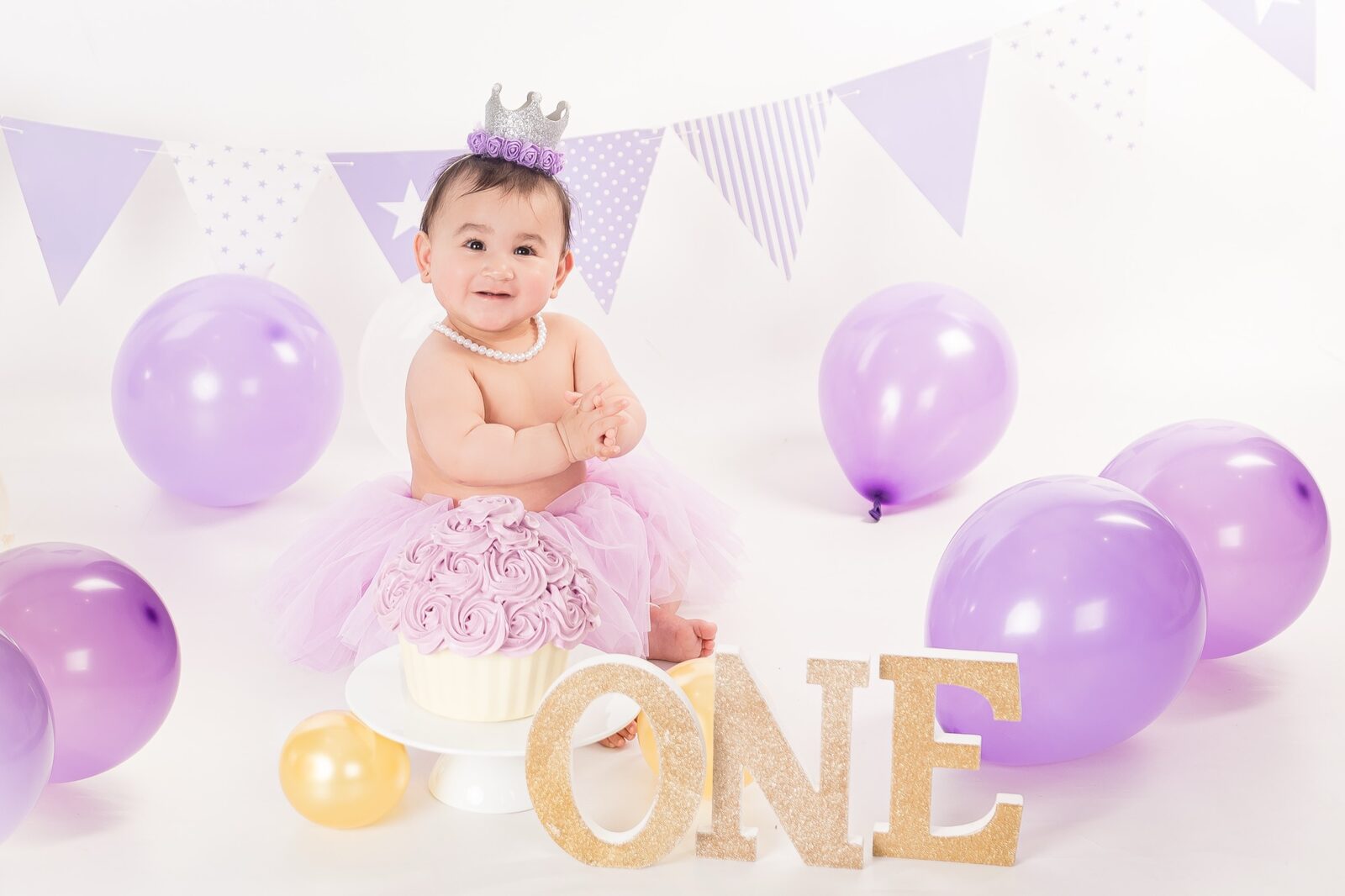
At this stage, the work is almost entirely about timing, warmth, and patience. Feed, warm, and settle the baby first. Shoot during the deep sleep phase for classic newborn curls and poses. If you're considering a dedicated newborn session, our full guide to newborn photography in Sydney covers everything you need to know about preparation.Toddlers (1–3 Years)
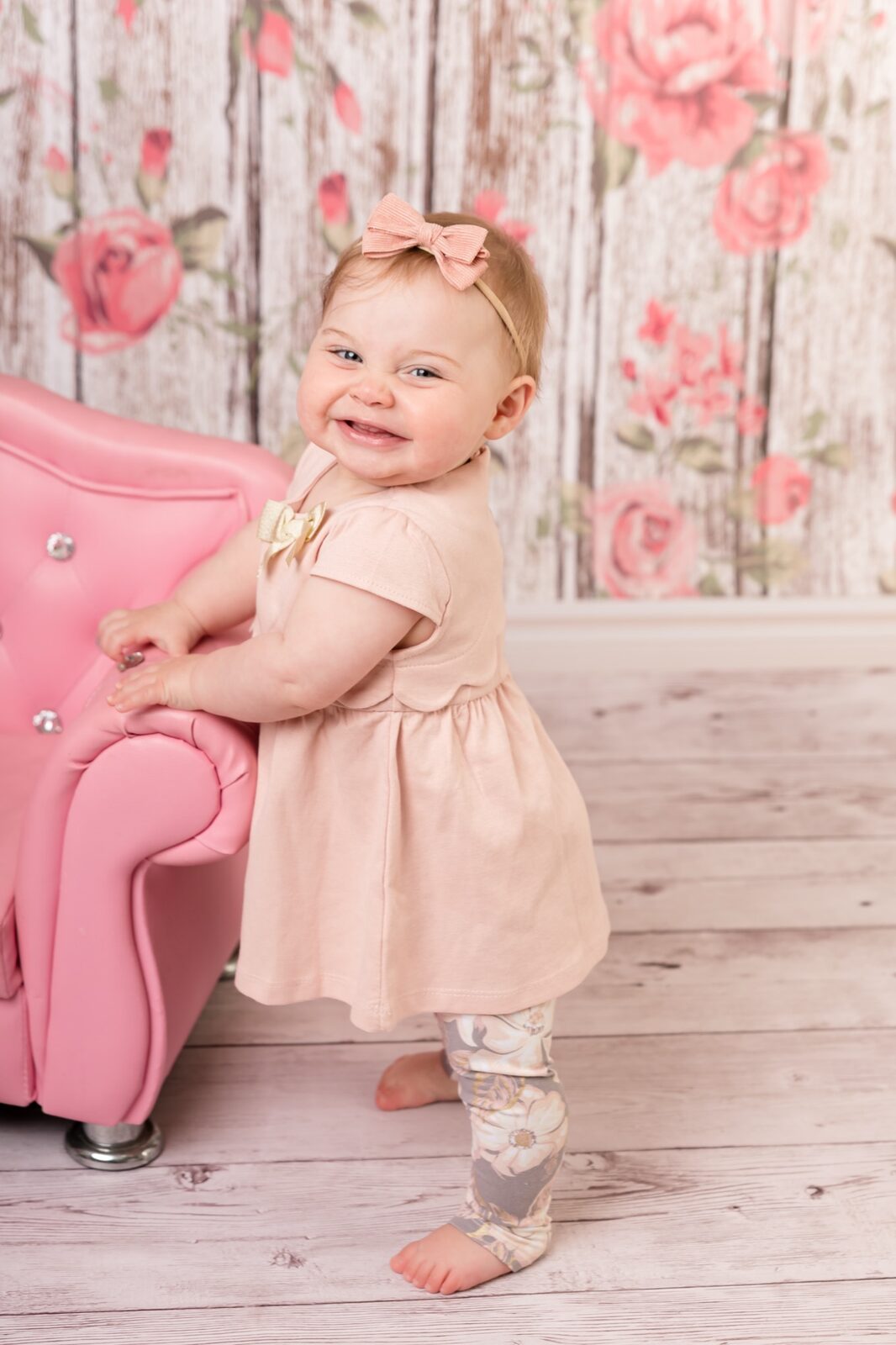
- Keep sessions short — 20 to 30 minutes is often the practical ceiling before energy crashes.
- Follow their lead entirely. If they want to examine a leaf on the ground for three minutes, let them. Then photograph the examining.
- Involve a favourite comfort object or toy — it anchors them and often produces naturally warm expressions.
Children (4–10 Years)
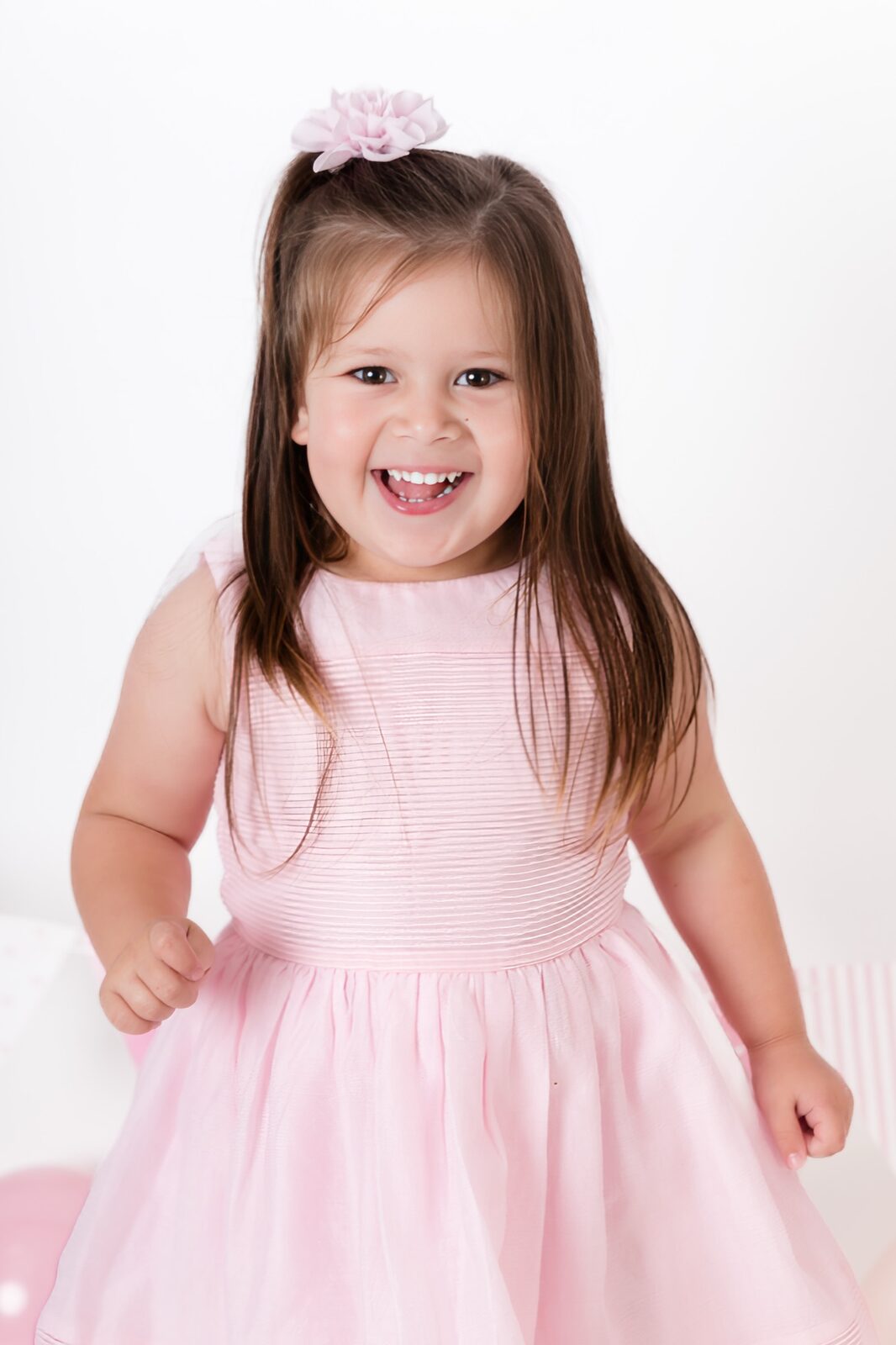
This is the golden age for portrait prompts and play. Children in this range are responsive to direction, enjoy being part of the creative process, and can sustain engagement for longer sessions. Give them simple creative tasks ("show me your best superhero pose") and then shoot the natural breaks between the poses — that's where the real personality emerges.Tweens and Teens
Older children often feel self-conscious in front of a camera. Acknowledge it directly — "yeah, this is a bit awkward for everyone at first" — and the tension breaks. Give them autonomy in small choices (where to stand, which background they prefer) and their confidence rises noticeably within minutes. ---Ready to Book Your Children's Portrait Session?
Our studios in Glen Alpine and Gledswood Hills are designed from the ground up for relaxed, joyful sessions with children of all ages — from newborns to teens.
What to Wear: Making Colour and Texture Work for You
Clothing choices have an outsized effect on children's portraits. The wrong outfit can overpower a small face; the right one enhances the whole composition without competing with expression.- Soft, muted tones photograph beautifully — dusty pinks, sage greens, warm creams, and soft navy all complement a range of skin tones and work naturally against studio and outdoor backgrounds.
- Avoid bold logos, slogans, and bright neon — they date quickly and draw the eye away from your child's face.
- Texture adds dimension: linen, knit, velvet, and broderie anglaise all look rich on camera without being visually loud.
- Bring a spare change of clothes — toddlers and snacks are a predictable combination.
Choosing a Location: Studio vs Outdoor in the Macarthur Region
Both studio and outdoor sessions have genuine strengths, and the right choice depends entirely on your child's temperament and your goals for the portraits.Studio Sessions
Our Campbelltown and Camden area studios offer complete control over light, temperature, and environment. For children who are overwhelmed by outdoor unpredictability, a contained, friendly studio space is ideal. It also allows for seamless background changes and costume variations within a single session.Outdoor Sessions
The parks and green spaces of South-West Sydney — from the rolling reserve land near Gregory Hills to the leafy pockets of Glen Alpine — offer a natural energy that studio sessions sometimes cannot replicate. Children who are high-energy and movement-oriented often produce their best portraits outdoors, where running, exploring, and playing are entirely welcome. For families considering a broader session that includes all generations, our extended family session options offer both studio and location choices. ---Frequently Asked Questions
How long should a children's portrait session run?
For toddlers and young children, we typically recommend 30 to 60 minutes. This allows time for a warm-up period before the camera appears, a comfortable flow through different setups, and a natural wind-down. Pushing beyond an hour with children under five often produces diminishing returns — the best frames are almost always captured in the first relaxed, engaged stretch of the session.
What time of day is best for outdoor children's portrait sessions in Sydney?
Golden hour — the hour after sunrise or the hour before sunset — is consistently the most flattering for outdoor children's portraits. The low, warm, directional light sculpts faces gently and produces beautiful colour tones. Mid-morning (between 8 and 10 am) is a practical alternative, especially for younger children who are alert and well-rested early in the day. Avoid midday shoots wherever possible; if noon is unavoidable, choose deep open shade to preserve even light and comfortable expressions.
My child is very camera-shy. Can you still get good portraits?
Absolutely — and camera-shy children often produce some of the most quietly beautiful portraits. The key is removing all performance pressure entirely. We spend meaningful time in play and conversation before the camera appears, use movement and task-based prompts rather than "smile" commands, and let the session breathe at the child's pace. Most children who arrive shy leave having completely forgotten they were being photographed — which is precisely when the best frames happen.
Do you offer children's portrait sessions in specific suburbs across South-West Sydney?
Yes. Our studios are based in Glen Alpine and Gledswood Hills, NSW, and we serve families across the entire Macarthur region — including Campbelltown, Camden, Narellan, Harrington Park, Gregory Hills, Mount Annan, and Oran Park. We also regularly work on-location at parks and reserves throughout the area. Contact us to discuss the best setting for your child's session.
What should my child eat (or not eat) before a portrait session?
A light, familiar meal about an hour before the session works best. Avoid heavy, sluggish foods and — especially for toddlers — avoid new foods that might upset their stomach. A small, familiar snack brought along to the session can also be enormously useful as a mood-reset tool mid-session. Hungry or overtired children are the most common cause of a challenging session, so timing the session around a nap (rather than during one) makes a significant difference.
Can parents be included in the children's portrait session?
Absolutely — and we actively encourage it, especially for younger children who draw confidence from a parent's presence. Parent-and-child frames are often some of the most treasured images from an entire session. If you'd like a broader family portrait alongside the children's individual portraits, ask us about combining a children's session with a full family photoshoot in Sydney for maximum variety in a single visit.
Visit Faithful Photography Today
Serving families across Campbelltown, Camden, Narellan, and the broader Macarthur region from our studios in Glen Alpine and Gledswood Hills — we'd love to create portraits of your children that you'll treasure for decades.