Key Takeaways
- Documentary photography captures real emotion — unscripted, unposed and honestly yours — rather than manufactured expressions.
- The craft relies on patience, anticipation and presence, not a checklist of poses and props.
- Sydney families across the Macarthur region are choosing documentary-style sessions because the resulting images actually feel like them.
What Separates Documentary Photography From Posed Portraits
Posed portraits are theatre — carefully staged tableaux where everyone performs a role they didn't audition for. Your family sits at a predetermined angle, wears an expression someone told them to make, and waits for the shutter as if it's applause. The image can be technically beautiful, but it's often emotionally inert. It could belong to anyone. Documentary photography plays an entirely different game.Catching the Micro-Second That Matters
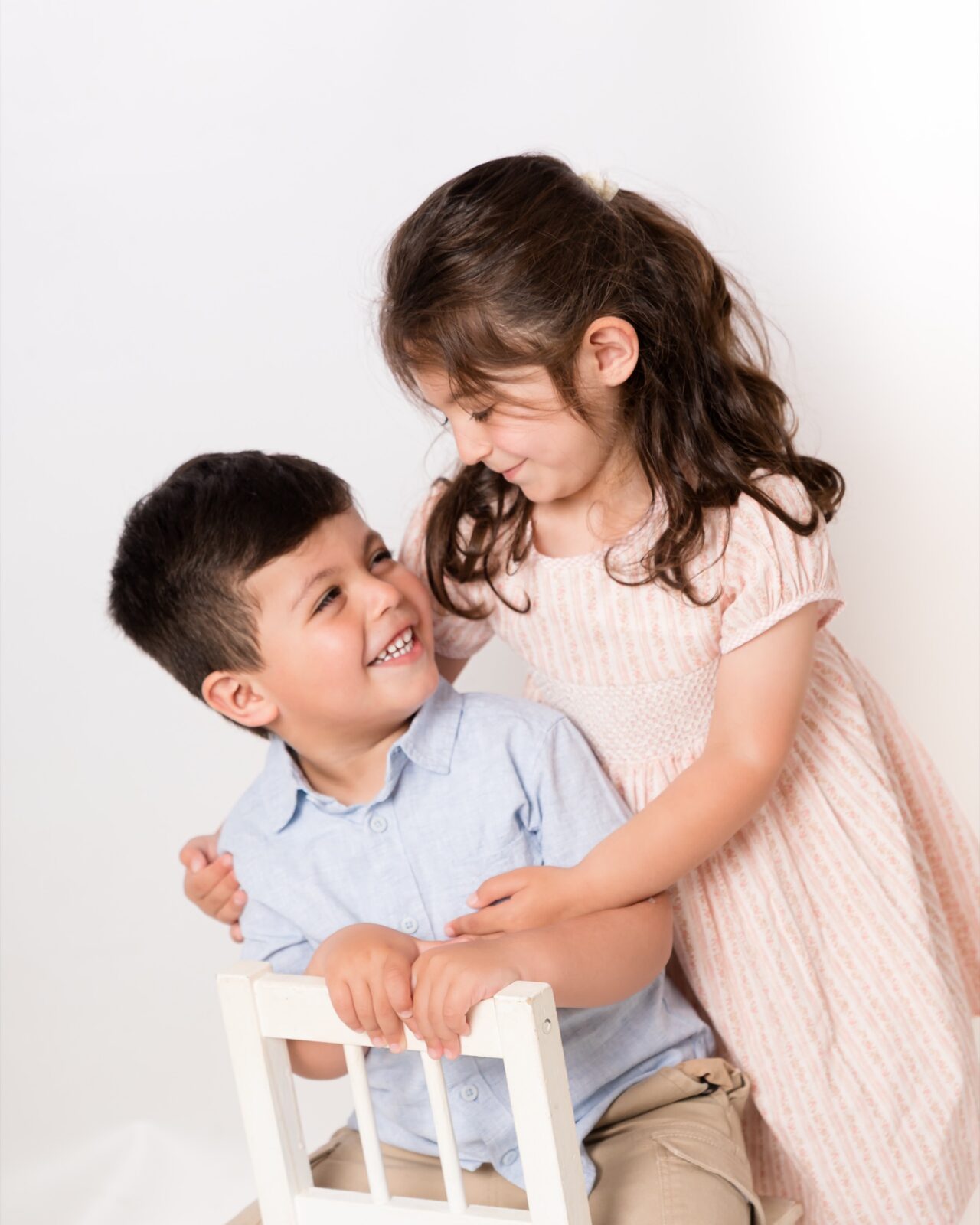
It catches the instant your daughter forgets the camera exists and laughs at something her brother muttered — no direction, no cue, just life. It captures the moment your partner's hand reaches across the table, not because a photographer choreographed it, but because that's simply how people connect. The difference is significant. Research consistently shows that candid images make viewers feel closer to the subject and more curious about them than posed shots do. Why? Because candid images contain texture — the hesitation, the tiny gestures, the imperfect beats that reveal who your family actually is when nobody's performing.Why Authenticity Wins
Posed sessions produce images that are technically correct but emotionally predictable. Documentary sessions produce images that are yours — specific to your family's dynamic, your children's personalities, the way you all move through the world together. For family photoshoots in Sydney, that distinction is everything. ---The Psychology of Presence: Why Being Yourself Changes Everything
A standard portrait session is a checklist — stand here, angle that, tilt the chin. You're thinking about the camera the entire time. Documentary photography flips that script entirely. The photographer becomes an observer rather than a director. People stop trying to "look good" and start simply being themselves. Shoulders drop. Breathing slows. Faces unfreeze.From Acting to Existing
The stiffness that makes so many posed images feel manufactured dissolves when the pressure to perform is removed. Presence is the psychological switch from acting to existing — and that is precisely why documentary images feel true. When families from Campbelltown, Camden and Narellan arrive at our studios, the first thing we do is take that pressure off completely. We chat, we let the kids explore, we let things unfold. The camera follows the family — not the other way around. ---Timing and Patience: The Real Technical Skills Behind Candid Storytelling
Meaningful moments don't RSVP. You cannot schedule the exact second your son reaches for his sister, or the precise beat when real laughter breaks across a face. That takes patience — an almost boring kind of patience — that staged portrait sessions never require.How Documentary Photographers Read a Room
Documentary photographers position themselves, wait and then capture the life that is already unfolding. The craft is anticipation:- Read posture and body language to predict the next emotional beat
- Identify where the light will catch a genuine smile
- Move into position before the moment arrives, not after
- Use fast shutter speeds — around 1/250th or faster — because candid moments are fleeting
- Favour continuous shooting over single frames during peak interactions
Knowing When to Stop
The best documentary photographers also know when to lower the camera. The urge to get the picture can wreck the moment. That restraint — balancing active capture with deliberate observation — separates the competent from the exceptional. It is how our team at Faithful Photography moves through a session and decides where to stand. ---"The best documentary image is rarely the one you planned — it's the one you were patient enough to be present for."---
Why Sydney Families Are Choosing Candid Documentary Sessions
Families across South-West Sydney are quietly rebelling against the stiff, smile-for-the-camera family portrait — and honestly, who can blame them? A posed session lasts two hours and hands you a handful of polished but predictable images. A documentary session returns dozens of genuine moments that actually feel like you.What a Documentary Session Captures That Posed Sessions Miss
Family life isn't arranged props and forced grins — it's messy, tender and in motion. Consider what a documentary photographer catches that a traditional session never could:- Your youngest bolting across the room to hug their sibling
- The tiny, private smile your partner gives you that lasts less than a second
- The way your toddler furrows their brow when concentrating on something small
- The chaotic, joyful noise of children actually playing together
- The quiet, unguarded tenderness between parent and child
Ready to capture your family's real story?
Faithful Photography's documentary-style sessions serve families across South-West Sydney, Campbelltown, Camden and the Macarthur region — bringing honest, beautifully crafted images home to you.
Our Documentary Approach Across Every Session Type
At Faithful Photography, the documentary philosophy isn't limited to one session style — it runs through everything we do. Whether a session unfolds in our Glen Alpine studio, at our Gledswood Hills location or on location across the Macarthur region, the goal is always the same: storytelling through candid moments.Families, Milestones and Everything Between
Our sessions span the full arc of family life:- Family sessions — we document real relationships, not posed arrangements. See our family photoshoots for what that looks like in practice.
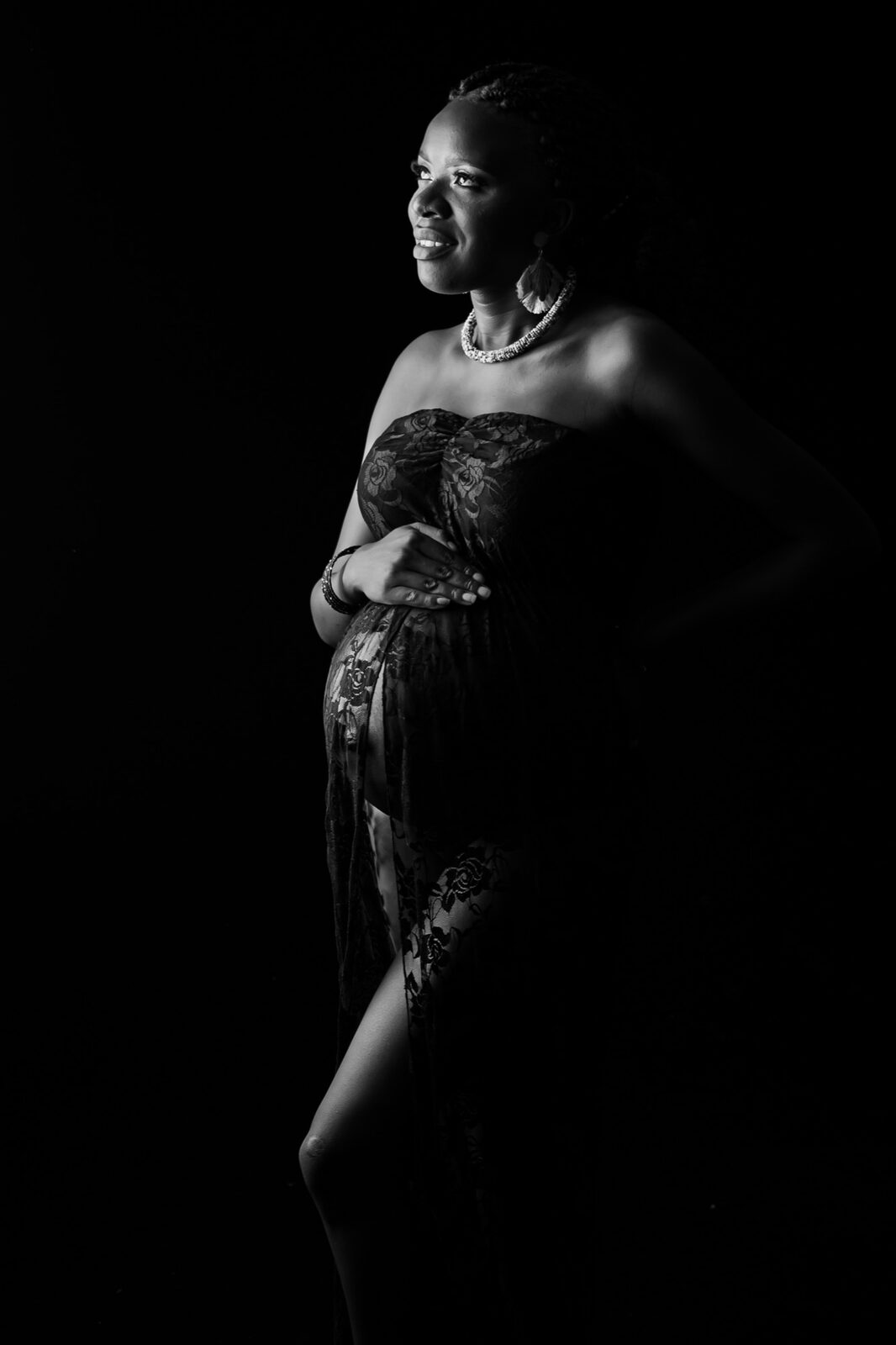
- Maternity — quiet, intimate and honest. Our maternity photography in Sydney reflects the anticipation and emotion of this time without manufacturing it.
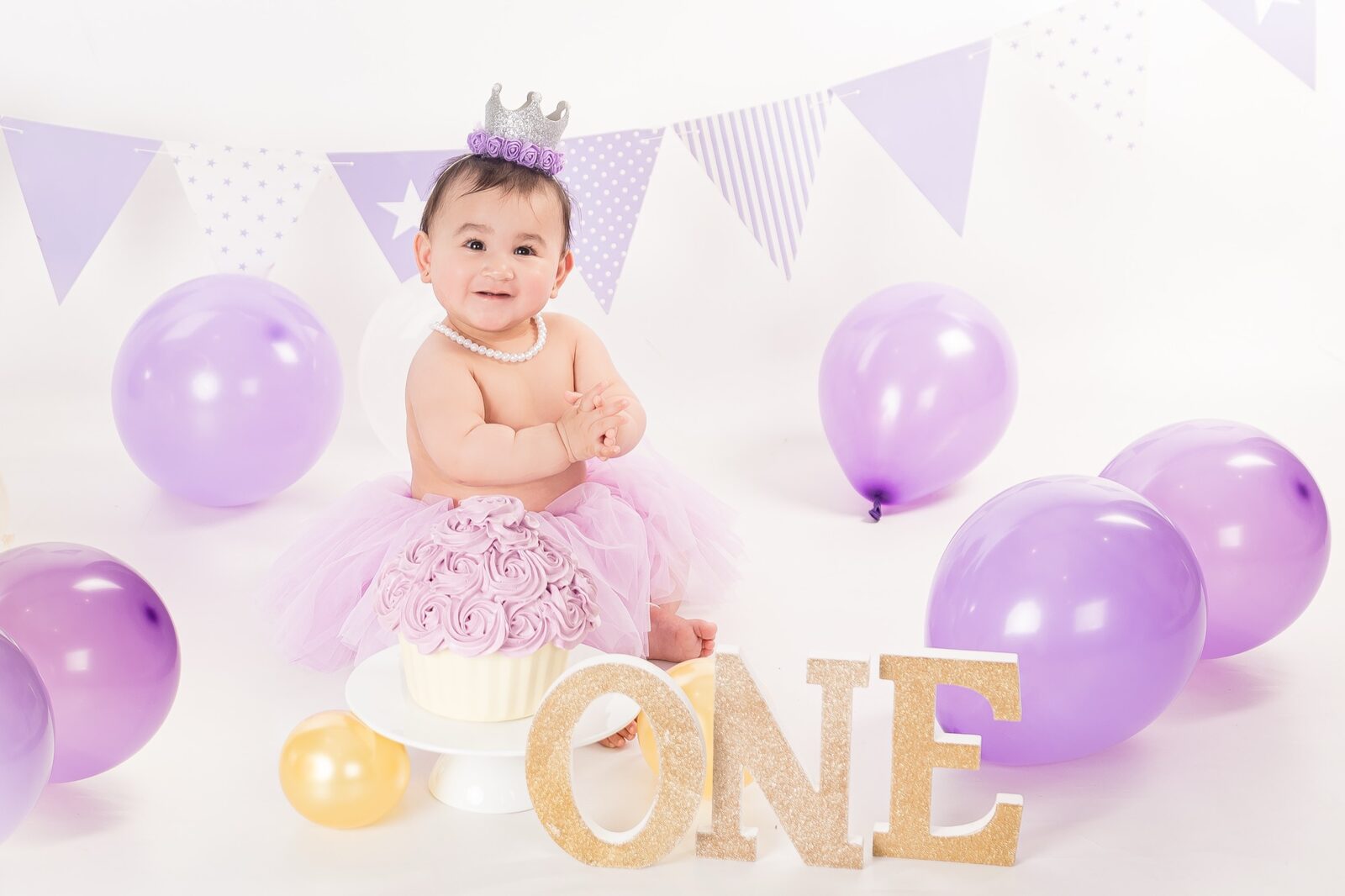
- Cake smash — pure, joyful documentary chaos. If you want beautiful session ideas, our guide to cake smash studio setups is worth a read before you book.
- Extended family — grandparents, cousins, the whole beautiful crowd — captured honestly through our extended family sessions.
Getting the Setting Right
Documentary photography works beautifully in any environment where your family feels at ease — whether that's the familiarity of home, a favourite local park or a fully styled studio. Our Gledswood Hills photography and Glen Alpine photography pages give a feel for the locations we work with regularly across the south-west. For those preparing for a session, our guide on family portrait wardrobe tips will help you feel comfortable and camera-ready without overthinking it. ---How a Documentary Session at Faithful Photography Actually Works
If you've never experienced a documentary session before, here's what the process looks like from start to finish:- Consultation — We get to know your family, your personalities and what you'd like your images to capture. No questionnaires, just a genuine conversation.
- Arrival and settling in — We ease into the session slowly. Kids explore, adults relax. The camera stays in the background until everyone forgets it's there.
- Organic interaction — We might suggest loose activities — reading together, playing, exploring the space — but we never direct expressions or positions.
- Active observation — Our photographer moves quietly through the session, anticipating and capturing moments as they unfold naturally.
- Gallery delivery — Your edited gallery is delivered with care, curated to tell the story of your session from the first frame to the last.
Frequently Asked Questions
What exactly is documentary photography and how is it different from a standard portrait session?
Documentary photography prioritises real, unposed moments over carefully staged compositions. Rather than directing your family into specific positions and expressions, our photographer observes and captures the interactions, emotions and connections that occur naturally. The result is a set of images that genuinely reflect who your family is — not a polished performance of it.
Do Sydney documentary photographers work with young children and newborns?
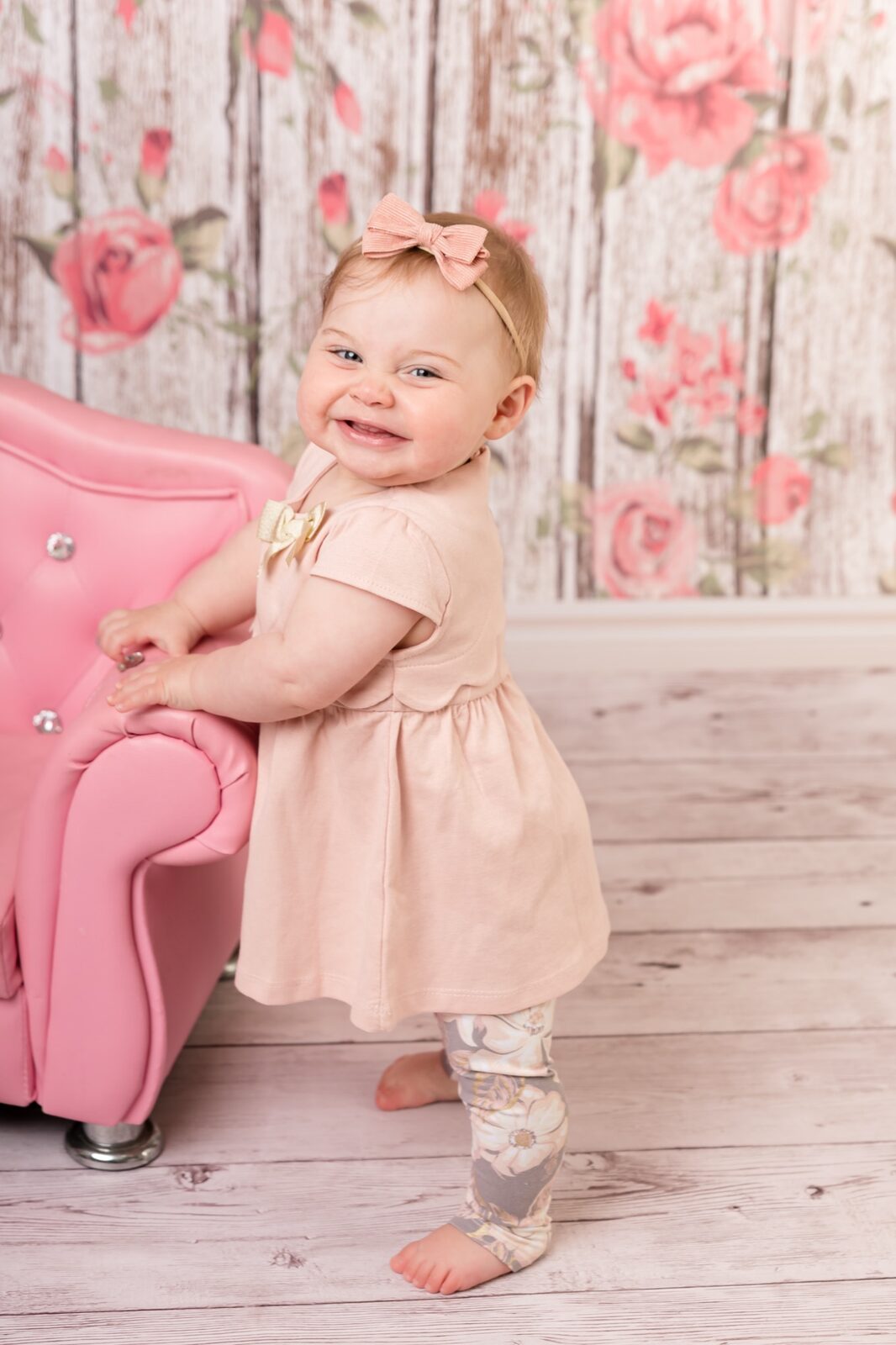
Absolutely — in fact, young children and newborns are where documentary photography truly shines. Because we aren't asking them to pose or perform, sessions are far less stressful for little ones. We simply follow their lead and capture the natural magic that unfolds. Our approach to newborn photography in Sydney is guided by the same documentary philosophy.
How long does a documentary family session typically take?
Documentary sessions generally run longer than traditional portrait sessions — usually between 60 and 90 minutes — because we allow time for families to settle, relax and forget the camera is there. That unhurried pace is what creates the conditions for genuine moments to emerge. Check our pricing page for current session lengths and inclusions.
Do we need to do anything to prepare for a documentary session?
The most important thing you can do is arrive ready to simply be yourselves. Wear something comfortable and coordinated — our family wardrobe guide is a great starting point. Beyond that, we handle everything. The less you overthink it, the better your images will be.
Do you serve families outside of Campbelltown and Camden — for example, in Liverpool or Gregory Hills?
Yes — Faithful Photography serves families right across South-West Sydney and the Macarthur region, including Liverpool, NSW, Gregory Hills, Narellan, Harrington Park and beyond. Our studios are based in Glen Alpine and Gledswood Hills, and we also work on location across the region.
Can I give a documentary photography session as a gift?
You absolutely can. Our gift vouchers cover any session type, including documentary-style family sessions. They're a genuinely meaningful gift for new parents, growing families or anyone who deserves to have their story told beautifully.
Visit Faithful Photography Today
Your family's story is already unfolding — we just help you keep it. Faithful Photography is South-West Sydney's trusted studio for documentary, newborn, family, maternity, cake smash and corporate photography, with studios in Glen Alpine and Gledswood Hills.