Key Takeaways
- Build your family's wardrobe around a three-to-four-colour palette — coordinate, don't match — and your photos will feel cohesive rather than costume-y.
- Limit patterns to one person, choose fitted silhouettes over oversized, and lean on textures like linen, chunky knits and gauze for depth without distraction.
- Plan outfits two to three weeks before your session, test them under bright light, and prioritise comfort — an uncomfortable family will show it in every single frame.
Building Your Colour Story
Start with a Tight Palette
Colour is the backbone of any well-coordinated family photo. Choose a three-to-four-colour palette and build every outfit around it. That constraint is a gift, not a limitation. Neutrals — cream, tan, olive, soft grey — act as the architectural bones. They're quiet, steady, and photograph with integrity because they don't throw strange casts onto skin the way stark white or neon can. Then add one or two secondary colours for personality. Jewel tones are genuinely the cheat code here: burgundy, jade, mustard, soft navy. They're rich enough to read on camera, muted enough not to fight with each other or overwhelm the people wearing them. The result is a group that looks cohesive without looking like they all shopped at the same chain store on the same morning.Coordinate, Don't Match
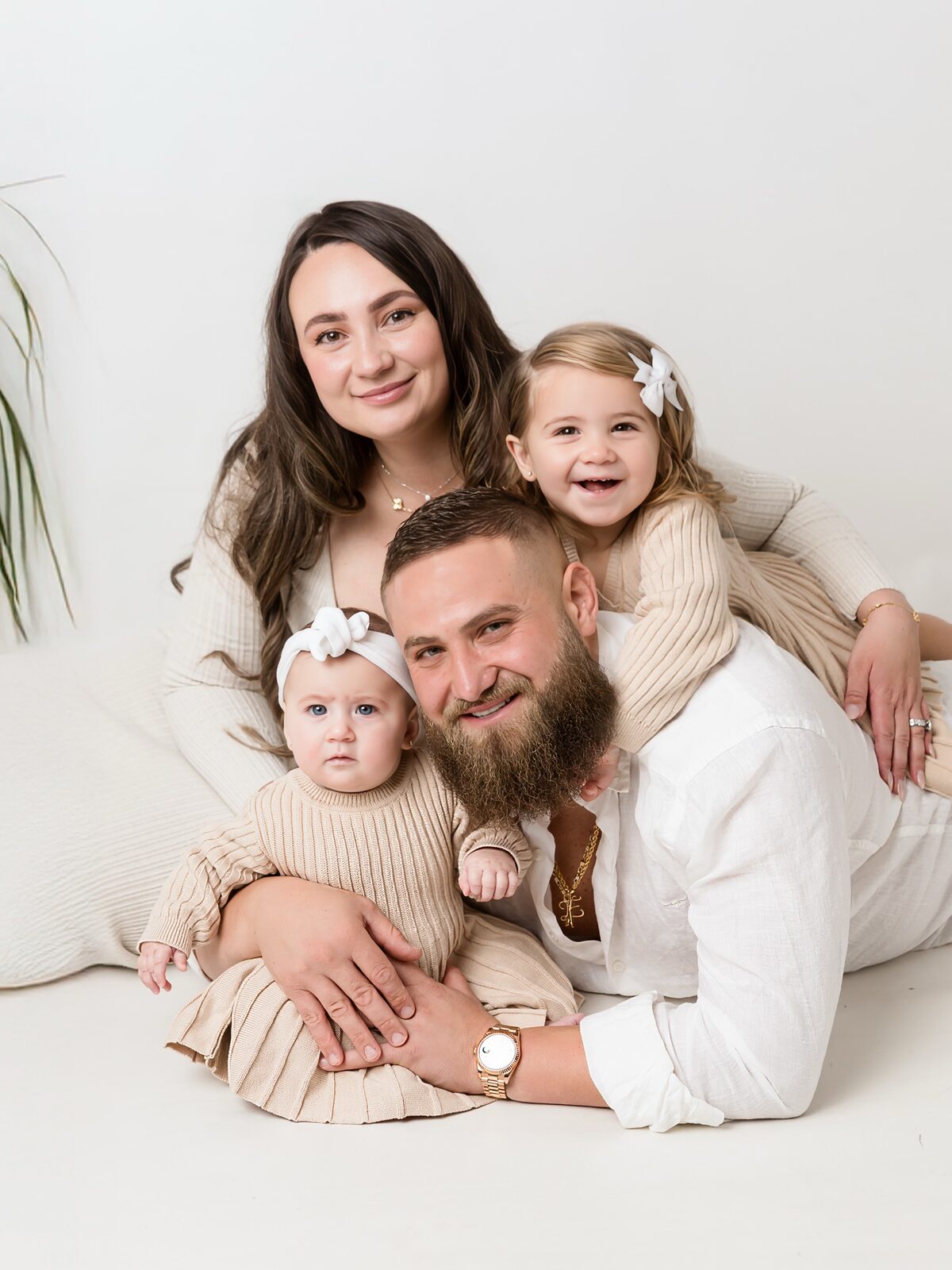
Matchy-matchy is a trap. Five people in identical outfits reads stiff and corporate, not warm and familial. Instead, think of coordination as the goal. One person in burgundy, another in a cream knit, a third in tan chinos, the youngest in a soft blush romper. Same palette, different pieces. The eye reads harmony. The result looks intentional. This approach also takes the pressure off finding identical items — which, if you've ever tried to dress four kids simultaneously, you'll know is its own special form of chaos. ---Pattern Rules and Texture Secrets
One Pattern, Maximum
Patterns are where family photos go wrong most often. Multiple patterns compete for attention simultaneously, and they always win by pulling the viewer's eye in six different directions at once. The rule is simple: limit patterns to one person. If Mum's wearing a floral wrap dress, everyone else wears solids. Then grab two colours from that pattern and repeat them as solids across the rest of the group — suddenly it all clicks into place. Kill the big logos, cartoon prints, and busy graphics. They date photos faster than a bad haircut. That novelty slogan tee your son refuses to take off? This is the session where it stays in the drawer.Let Texture Do the Work
Textures are the unsung heroes of a well-dressed family photo. A chunky knit, a linen shirt, a floaty gauze dress — these give depth and dimension without yelling. They photograph beautifully because they catch light in subtle ways that add visual interest without competing with faces. Before the session, test every outfit under bright natural light. Hold fabrics near skin and see what they do. Texture that reads beautifully on camera often looks flat indoors under dim lighting, so this step genuinely matters. ---Colours That Photograph Well (and Ones to Avoid)
Not all colours behave the same way under studio or natural light. Understanding this small piece of colour science saves a lot of heartache on shoot day.- Dark navy photographs with authority where bright blue tends to flatten and bleed.
- Burgundy reads rich and warm where bright red overwhelms the frame and fights with skin tones.
- Muted terracotta glows where orange-orange neon simply collapses.
- Ivory and warm cream flatter almost every complexion, while stark white reflects light harshly and can wash out fair skin entirely.
- Soft olive and sage are perennial favourites because they work beautifully against both light and dark complexions.
Dressing for the Season and Location
Summer and Warm-Weather Sessions
Summer calls for light, breathable fabrics — cotton, linen, gauze. These aren't just comfortable choices; they move naturally, and movement in fabric reads as naturalism on camera. A floaty skirt catching a breeze does more for a photo's mood than any studio prop. Soft, warm-toned hues work brilliantly in bright Australian summer light. Think dusty rose, warm ivory, sage, and caramel. Avoid anything too saturated — summer light is already intense, and vivid colours can blow out. For outdoor sessions across the Macarthur region — whether that's a golden-hour paddock shoot or an evening session at a local reserve — wear shoes that won't betray you if the ground is uneven or still a little damp. Brown leather sandals photograph far better than stark white sneakers unless you're deliberately going for a crisp monochrome look.Autumn and Winter Layers
Cooler months invite weightier textures and deeper tones. This is when chunky cable knits, wool-blend coats, and velvet work beautifully. Jewel tones shine in autumn light — deep teal, burnt amber, forest green, plum. Layering is your friend in winter sessions because it adds visual complexity and lets people adjust as the temperature shifts. A Dad in a well-fitted flannel shirt over a plain tee, a Mum in a textured coat over a simple dress — it feels relaxed and real. Which is exactly what great family portraits should feel like. For more seasonal styling inspiration, our guide on family portrait wardrobe tips for every season goes deep on what to wear across the calendar year. ---"Comfort is the invisible styling tool most families forget entirely. An uncomfortable child or parent will telegraph that discomfort in every single frame — and no amount of editing fixes a genuine grimace."---
Clothing Styles That Actually Photograph Well
Fitted Is Not Tight
Fitted clothing photographs with authority. Oversized pieces read as shapeless on camera, swallowing the person wearing them and adding visual bulk where there isn't any. Think of fit as cartography: clothes that trace the body's geography without bunching, sagging, or creating dead zones. A well-fitted button-down shirt on a Dad reads as structured and intentional. The borrowed-from-a-bigger-bloke version reads distracted and busy. Cameras exaggerate proportions. What feels pleasantly roomy in the mirror sometimes reads awkward under studio lighting. Try everything on, move around in it, and test it in natural light before the day arrives.Flattering Silhouettes for Mums
Wrap dresses, A-line skirts, and empire-waist styles photograph better than boxy cuts because they suggest form without demanding that you squeeze into anything. Midi-length dresses and skirts also tend to read particularly well in family photos because they add elegance without overwhelming smaller children in the frame beside you. Avoid anything too stiff or structured — fabrics that move are fabrics that photograph.Kids' Outfits
Kids in properly fitted pieces look like themselves. Kids drowning in fabric look like they raided the costume box.- Match kids to the palette, not to each other — siblings in coordinating colours but different styles look far more natural than identical outfits.
- Avoid itchy fabrics, stiff collars, or anything the child has already told you they hate. The fight to get it on them will be visible in their expression thirty minutes later.
- For babies and toddlers, simple is best — a plain romper or soft knit in a palette colour lets their face and personality fill the frame.
- Bring a spare outfit for the youngest child. Always. This is not optional advice.
Ready to book your family session?
Our studios in Glen Alpine and Gledswood Hills serve families across Campbelltown, Camden, Narellan and the wider Macarthur region — with professional styling guidance included.
Planning Your Outfits: A Practical Timeline
Leaving outfits until the night before is how you end up in an argument at 10pm about whether the grey jeans are actually clean and whether the blouse still fits. Plan ahead — your future self will genuinely thank you.- Three weeks out: Choose your colour palette and nominate one person as the "anchor" — usually whoever has the most distinctive piece, like a patterned dress or statement coat. Everyone else builds around them.
- Two weeks out: Pull every intended outfit and try them all on together in front of a mirror. Test in natural light. Check that fits haven't changed since you last wore something.
- One week out: Iron, steam, and hang everything. Order any last-minute replacements — this is your buffer window, and it exists for a reason.
- The day before: Lay everything out, including jewellery, shoes, and hair accessories. Nothing gets left to the morning scramble.
Small Details That Make a Big Difference
The macro decisions — palette, silhouette, fabric — carry the most weight. But a few smaller details can quietly elevate a coordinated family photo into something genuinely stunning.- Jewellery: Simple and delicate over statement and chunky. Cameras pick up sparkle, but they also pick up visual clutter. A fine gold chain or small stud earrings photograph beautifully. A chandelier earring can become the eye's first destination in the frame.
- Shoes: Think about the lower third of the photo. Warm-toned leather, simple sandals, or bare feet for indoor sessions all read better than bright white trainers unless you're deliberately going for a crisp, contemporary look.
- Hair: Decide in advance whether you're going polished or relaxed, and commit to one direction across the family. Mixing boardroom-blow-dry with windswept beach hair creates an incongruity the eye can't quite ignore.
- Avoid anything new on the day: New shoes that haven't been broken in, a new dress you've never sat down in, a new hairstyle that hasn't been tested — these are all risks that can be eliminated with a single extra week of planning.
Frequently Asked Questions
What are the best family photos outfit ideas for coordinating without everyone matching?
Choose a three-to-four-colour palette and give each family member a different piece from within it. One person in a burgundy dress, another in a cream knit, a child in tan — the palette creates visual harmony while the different styles keep things feeling real and personal rather than rehearsed. Avoid identical outfits, which tend to read as stiff and formal rather than warm.
What colours should I avoid for a family photoshoot?
Bright red, neon tones, and stark white are the most common culprits. Bright red dominates the frame and can reflect onto skin; neon tones clash with almost everything; stark white reflects light harshly and can wash out fair complexions. Swap to muted equivalents — burgundy instead of red, soft ivory instead of white, dusty teal instead of vivid turquoise — and the image breathes immediately.
Can I wear patterns in a family photo?
Yes, but limit patterns to one person in the group. Multiple patterns compete for the viewer's eye and create visual noise. If one family member wears a pattern, identify two colours from within it and use those as the solids for everyone else. This ties the look together while keeping the pattern as a focal point rather than a distraction.
How far in advance should I plan our family photoshoot outfits?
Aim for two to three weeks before the session. This gives you time to check fits, order any replacements, and avoid the last-minute panic that results in someone arriving in the wrong thing. Try all outfits on together in natural light — how they look under fluorescent bathroom lighting is rarely how they look on camera.
Does Faithful Photography offer styling advice before the session?
Absolutely. Our team at both the Glen Alpine and Gledswood Hills studios are happy to review outfit options ahead of your session. We can also connect you with our professional hair and makeup services, which many families choose to book as part of their portrait experience. Just reach out when you book.
What should kids wear to a family photo session?
Keep it simple, comfortable, and within the family's chosen colour palette. Properly fitted clothing photographs far better than oversized styles. Avoid anything itchy, stiff, or that the child has already objected to wearing — discomfort shows up in expressions. And always bring a spare outfit for young children and babies; spills and blowouts are part of the parenting experience and we've seen it all.
Visit Faithful Photography Today
Ready to create portraits your family will treasure for decades? Our award-winning studios in Glen Alpine and Gledswood Hills serve families across Campbelltown, Camden, Narellan, and the entire Macarthur region — with expert guidance on everything from family photos outfit ideas to styling, lighting, and posing. Come as you are; we'll take care of the rest.