
Key Takeaways
- Most awkward family photos go wrong before the shutter clicks — small changes to posture, light and timing prevent the vast majority of problems.
- Post-production can salvage a wounded image through strategic cropping, local light adjustments and careful colour correction, but it cannot fix a fundamentally broken frame.
- A relaxed, laugh-out-loud atmosphere produces genuine expressions — and genuine expressions are the one thing no editing tool can manufacture from scratch.
Why Family Photos Go Wrong Before Anyone Smiles
Most families arrive at a session believing the hard work is the photographer's. In reality, the groundwork that determines whether family photos succeed or fall flat is laid in the ten minutes before anyone picks up a camera.The Posture Problem Nobody Talks About
Stiff posture is the silent killer of family portraits. When people are asked to stand together, the instinct is to line up shoulder-to-shoulder, arms pinned, chins slightly raised — the classic passport row. It records presence, not personality. The fix is surprisingly simple: break the line. Stagger heights by having one parent seated and the other leaning in. Put younger kids on laps or at knee level. Have someone angle their body slightly toward another family member rather than directly at the camera. These tiny physical shifts change the emotional read of the entire frame. The viewer's brain stops processing a lineup and starts perceiving a family.The Arrangement Mistake Most People Make
Symmetry feels safe, but it photographs as formal and cold unless it's intentional. Uneven eye lines, tiered seating and bodies turned slightly inward create visual tension that reads as warmth and connection.- Seat the tallest adult to anchor a corner, not the centre.
- Have children lean against — not just stand beside — a parent.
- Allow some bodies to overlap; gaps between people read as emotional distance.
- Let toddlers sit cross-legged on the floor in front rather than forcing them to stand still.
How Lighting Transforms (or Destroys) a Family Portrait
Bad light compounds bad posture. Harsh direct sunlight carves shadows under eye sockets, flattens cheekbones and creates the bleached-out forehead look that no amount of post-processing can fully reverse.Golden Hour and Open Shade
The single most effective free upgrade available to any family is simply choosing the right time of day. The hour after sunrise and the hour before sunset — golden hour — hands you soft, directional light that wraps around faces and flatters every skin tone. If your schedule won't allow golden hour, open shade is the next best option. Move under a tree, a verandah or an overcast sky. Avoid dappled shade, which creates patchy hot spots that are notoriously difficult to edit out later.Window Light Indoors
Indoors, a large north-facing window on an overcast day is a portrait studio in disguise. Position your family so the window light comes from the side rather than directly behind them — backlighting blows out the background and leaves faces underexposed. The quality of light matters far more than the camera. A thoughtful minute repositioning your group relative to a window will do more for the final image than any gear upgrade. ---Breaking Through Forced Smiles and Awkward Expressions
"Smile on three" is a reliable recipe for the grimace that haunts family albums for decades. Commanded smiles engage only the lower face; real smiles — the ones that reach the eyes — are triggered by genuine emotion or laughter.Movement and Distraction Techniques
Movement is one of the fastest ways to break the statue routine. Ask kids to run toward a parent, have a couple spin slowly together, or instigate a brief tickle fight. The resulting noise and laughter produce expressions that are spontaneous and alive. A few reliable prompts that consistently work:- Whisper something silly in a child's ear and ask them not to laugh.
- Ask parents to share a secret memory — the private look between them is worth capturing.
- Tell kids to chase each other around the adults for ten seconds, then freeze.
- Ask everyone to do their worst "serious model face" before reverting to normal — the transition is gold.
The Atmosphere Question
A relaxed photographer creates a relaxed family. When there's genuine warmth and laughter in the room, the camera stops documenting a pose and starts collecting proof of a relationship. That distinction is everything. ---"The moment families stop performing for the camera and start performing for each other, that's when the genuinely great frames appear — and no amount of editing can manufacture that after the fact."---
What Post-Production Can — and Cannot — Fix
Editing is a powerful tool, but it's a surgeon, not a miracle worker. Understanding its realistic boundaries saves hours of frustration and helps you make better decisions before you shoot.Salvaging Posture Through Strategic Cropping
No slider in any editing application will give someone better posture retroactively. What cropping can do is redirect the viewer's attention away from the problem area. If slouching shoulders make a full-length shot read as uncomfortable, crop at the waist or mid-thigh and shift the emphasis upward to faces and expressions. Avoid cutting at joints — severing a frame at a knee or elbow looks accidental. Cutting at the torso or upper thigh reads as deliberate composition.- Tight crops on faces work beautifully when posture has broken down below the neck.
- Removing dead space around the group increases perceived intimacy.
- A horizontal crop can eliminate a distracting background element that wrecked an otherwise good frame.
Recovering Harsh Shadows and Blown Highlights
Lighting corrections in post are surgical rather than wholesale. Targeted adjustment brushes and local masks allow you to lift shadows under eyes, recover blown-out foreheads and balance uneven skin tone — without flattening the entire image. For white balance issues, nudge the temperature slider toward blue to counteract a warm orange cast from indoor tungsten light, or toward warmth to correct a cold, bluish overcast exterior. Move incrementally; overcorrection produces skin tones that look processed and artificial.Choosing the Best Frame Over Rebuilding a Broken One
The most underrated editing skill is selection. Editing ten frames from a burst and choosing the single strongest one will almost always produce a better result than spending an hour rebuilding the weakest frame. Expressions are the hardest element to fake in post-production — a genuinely warm laugh cannot be retouched into existence. Shoot generously, review critically, and edit only the keepers. Your time is better spent there. ---Ready to skip the awkward and get straight to beautiful?
At Faithful Photography, our South-West Sydney studios in Glen Alpine and Gledswood Hills are designed to make families feel at home — so the images look like it.
How to Prepare Your Family Before the Session
Prevention is always more efficient than repair. A little groundwork before the day dramatically reduces the chance of stiff poses, overtired children and fashion choices that clash on camera.Wardrobe Coordination Without Matching
Matching outfits peaked in the early 2000s and haven't aged well. Instead, coordinate within a colour palette of two or three tones — think soft neutrals with a single accent colour — so the group looks cohesive without looking costumed. Read our full guide on family portrait wardrobe tips for every season for specific outfit combinations that photograph beautifully year-round. Avoid busy patterns, large logos and neon colours. These elements pull the viewer's eye away from faces — which is, after all, the whole point of a family portrait.Timing Around Children's Rhythms
Booking a family photoshoot in Sydney around nap times and meal times is one of the highest-leverage decisions you can make. A well-rested, recently fed toddler is a completely different subject to a hungry, overtired one.- Schedule sessions mid-morning for families with babies and toddlers.
- Pack snacks — but keep them out of hands until after the shoot.
- Bring a comfort item for anxious children; familiar objects reduce stranger anxiety.
- Allow extra time so nobody feels rushed into poses.
Brief the Kids — But Not Too Much
Telling children exactly what will happen removes the mystery that sometimes fuels excitement. Instead, frame it as an adventure: "We're going to a special place to play and take some fun pictures." Avoid repeatedly saying "you need to smile" in the lead-up; it plants performance anxiety before you've even arrived. ---When to Call in a Professional Photographer
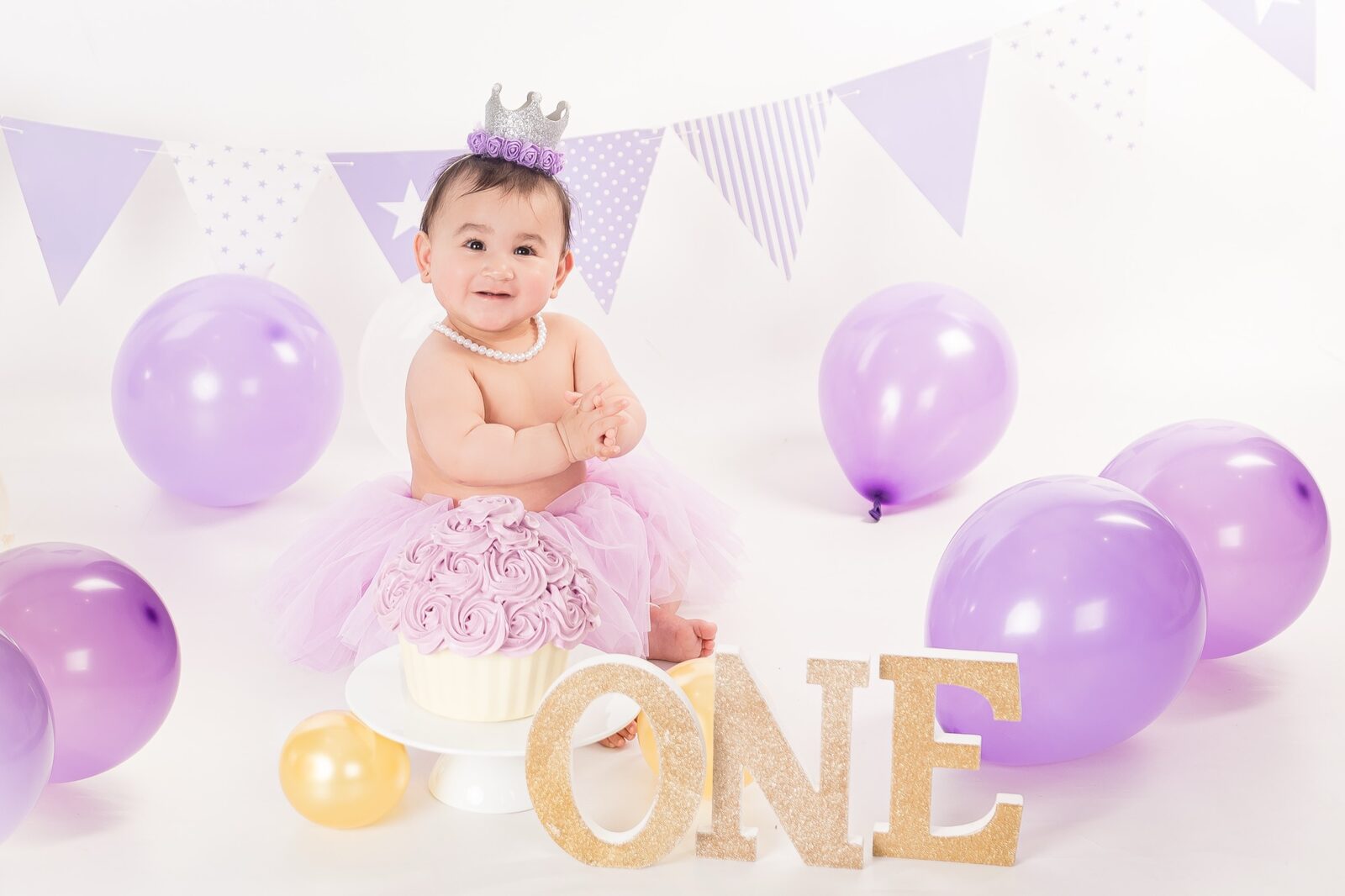
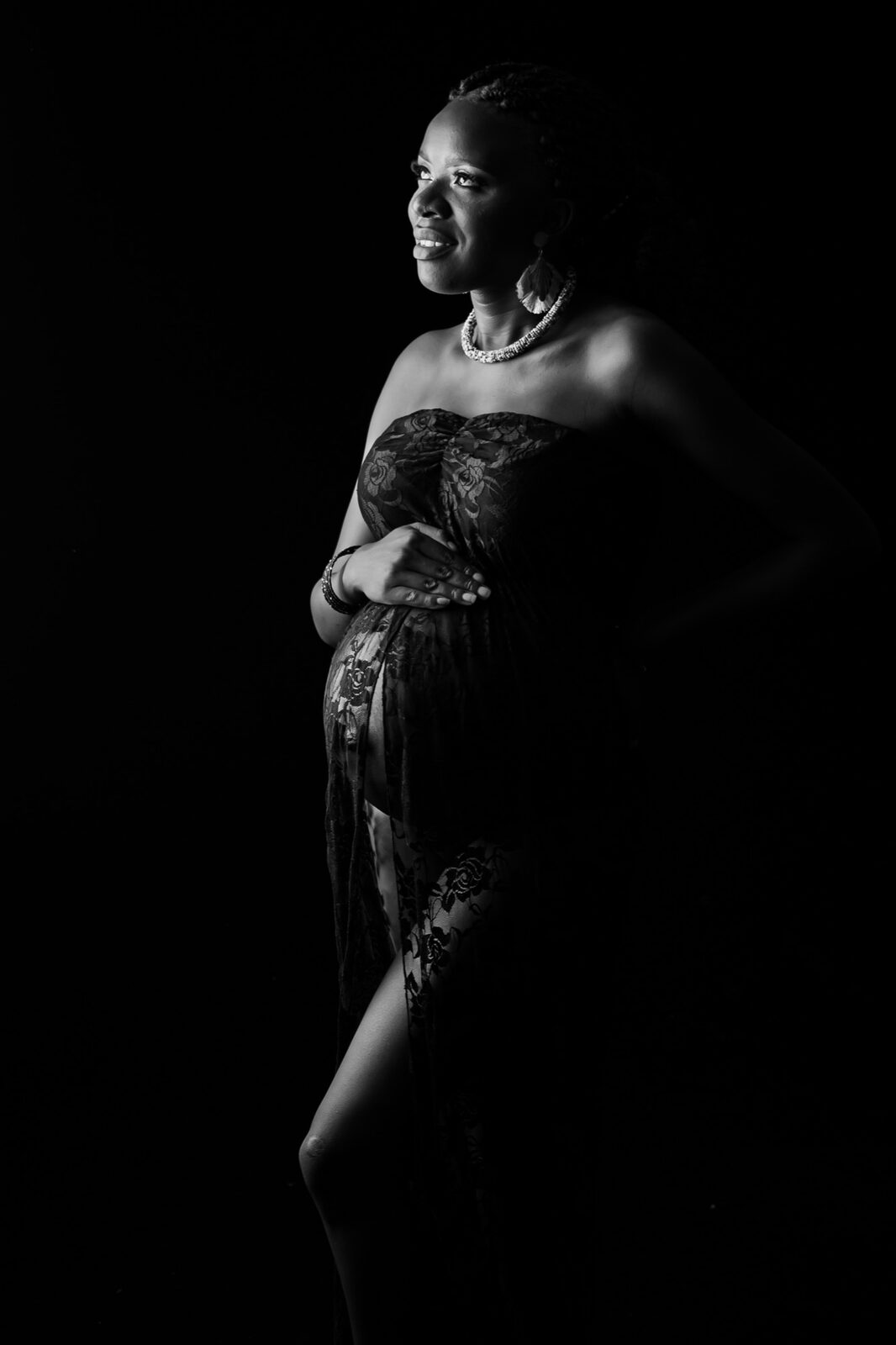
Some family photo disasters are genuinely beyond the reach of self-help guides and YouTube tutorials. When the stakes are high — milestone birthdays, extended family reunions, maternity announcements, or a gift you plan to hang on the wall for the next twenty years — a professional session is the reliable path. Our Campbelltown photographers and Camden photographers specialise in creating natural, relaxed family portraits that don't look like they were extracted through gritted teeth. We serve families across the Macarthur region, including Narellan, Gregory Hills, Mount Annan and surrounding areas. For families expecting a new arrival, our maternity photography sessions in Sydney blend lifestyle and studio work to document one of the most significant chapters of family life. And for those first-birthday celebrations, our cake smash photography in Sydney is purpose-built for the organised chaos of a one-year-old meeting frosting for the first time. ---Quick Fixes to Try Right Now
If you've got an upcoming family event and want to maximise your chances of coming away with at least a handful of great frames, here's a practical checklist you can act on today.- Scout the location ahead of time. Identify where the light falls well at the time you'll be shooting.
- Break the lineup. Assign yourself the job of directing bodies into a more layered arrangement before anyone touches a camera.
- Warm the room first. Five minutes of conversation and a shared laugh before any poses produces markedly better expressions.
- Shoot in bursts. Capture eight to ten frames at each moment; the winning expression is rarely the first click.
- Review and cull ruthlessly. Delete anything technically or expressively broken rather than spending hours trying to save it.
- Crop with intention. When posture has broken down, frame tighter. Move the story to the faces.
- Adjust light locally. Use a brush or mask in your editing software to fix specific areas rather than global adjustments that flatten the whole image.
Frequently Asked Questions
What's the most common reason family photos go wrong?
The single most common culprit is stiff, linear posing. When families stand in a straight row with arms at their sides, the resulting image reads as formal and disconnected rather than warm. Breaking the line — staggering heights, allowing bodies to lean toward each other, seating some members while others stand — resolves this immediately. Poor light choice is the second most common issue and is just as easily fixed by moving into open shade or waiting for golden hour.
Can you fix awkward family photos in editing?
You can fix some things — strategic cropping redirects attention away from poor posture, and local adjustments to light and colour can recover a lot of ground in an underexposed or harshly lit frame. However, editing cannot manufacture genuine expressions, correct a fundamentally broken composition, or resurrect a frame where everyone blinked simultaneously. Prevention and frame selection remain more powerful than any post-processing tool.
How do you get natural smiles in family photos?
Avoid instructing people to smile. Instead, create conditions for genuine laughter — whisper something ridiculous, prompt a shared memory, instigate a brief game or chase between kids and parents. Movement breaks the statue routine and produces authentic expressions. A photographer who talks, jokes and distracts consistently produces better expression work than one who gives technical directions. At Faithful Photography, prompting real moments is a core part of how we work with every family.
What time of day is best for outdoor family photos?
Golden hour — the hour after sunrise or the hour before sunset — consistently produces the most flattering natural light for portraits. The light is soft, directional and warm, which compliments all skin tones and minimises harsh shadows. If golden hour isn't possible, an overcast day is an excellent second option, as clouds act as a natural diffuser. Avoid midday direct sun, which is the harshest and most unflattering light for portrait work.
What should families wear for a photoshoot in South-West Sydney?
Coordinate within a palette of two to three complementary tones rather than matching outfits identically. Soft neutrals, earthy tones and muted blues tend to photograph well across both studio and outdoor environments. Avoid large logos, busy prints and neon colours, as these compete with faces for the viewer's attention. Our family portrait wardrobe tips guide covers seasonal combinations in detail, and our team is always happy to advise at your pre-session consultation.
Do you offer extended family sessions for large groups?
Yes. Our extended family sessions are designed specifically for larger groups — grandparents, multiple generations, cousins and everything in between. We accommodate these at our studios in Glen Alpine and Gledswood Hills, with ample space and flexible session structures to manage the organised chaos that larger family groups naturally bring. Contact us to discuss group sizes and scheduling options.
Visit Faithful Photography Today
Whether you're ready to book or simply want to chat through what's possible, our team at Faithful Photography is here to help South-West Sydney families walk away with portraits they'll genuinely love — no awkward lineups required. Find us in Glen Alpine and Gledswood Hills, serving Campbelltown, Camden, Narellan and the Macarthur region.