Key Takeaways
- Platform matters: Instagram rewards brevity, Facebook embraces storytelling, and printed albums demand names, dates and lasting specificity.
- Concrete details — full names, locations, tiny sensory moments — are what transform a caption from forgettable filler into a genuine family record.
- Tone shifts with relationship and purpose; the inside joke that kills on Instagram won't honour a milestone meant to outlast you by fifty years.
Know Your Audience and Platform
Different platforms demand different voices. That sounds obvious, yet most people still write one caption and spray it everywhere like confetti. Instagram tolerates brevity and emoji. Facebook rewards storytelling. A printed photo album expects permanence. What scores a like in a feed will not honour a moment meant to last forever.Instagram: Brevity and Visual Language
On Instagram, a single word can land harder than a paragraph. Captions under 150 characters consistently outperform long walls of text because the culture prizes brevity and the algorithm worships engagement. Short punchy lines — *Sisters make the best friends* or *80% chaos, 20% smiles, 100% love* — give the viewer a hook, not an essay. People scroll fast; you have a split second to make them stop. Lead with the emotional gut-punch and let the image do the rest.- One to two lines maximum for feed posts.
- Use humour when the image is joyful chaos — it invites comments.
- Emoji can replace punctuation, but don't overload; two or three is plenty.
- Front-load the best line — text gets truncated after the first sentence on mobile.
Facebook: Storytelling and Longer Narratives
Facebook users will stay for the story. Three hundred to five hundred characters typically earns stronger engagement because the platform's algorithm favours comments and shares over passive likes. Write like you're telling a close friend the full scene — who was there, what happened, why it mattered. Let personality breathe. Backstory is welcome here. If you can provoke a laugh, a gasp, or a shared memory, you win the algorithm and the audience simultaneously.Printed Albums: Permanence and Specificity
A printed photo in a family heirloom album operates on a completely different timeline. Dates, locations, and full names are non-negotiable. "Grandma with the cousins" is useless to someone flipping through the album in fifty years. Be specific: *Grandma Helen with cousins Marcus and Sarah, Easter 2026, our home in Campbelltown, NSW.* That kind of clarity serves decades. Multi-generational photos must spell out every relationship — no shorthand, no assumed context.- Always include the year, even when it feels obvious.
- Use first and last names on first mention for anyone outside the immediate family.
- Note the location — suburb and state at minimum.
- For milestone photos (newborns, graduations), include specific details: birth weight, age, occasion.
What Makes a Caption Actually Work
The difference between a caption that evaporates and one that plants itself in memory is specificity. Vague captions — *Happy times with family* — are wallpaper. They don't invite a second look. Specific captions survive.Concrete Details Over Abstract Sentiment
Emotion lives inside the detail, not hovering above it in a generalisation. Write *Sarah and me at the lake house, summer 1998, teaching each other to swim while Dad grilled snags on the dock* — and you give someone a line to come back to in twenty years. Your job is to answer the questions a future reader will ask: Who is this? When was this? What was happening? Why did it matter? Answer all four and you've written a caption worth keeping.Names and Relationships Demand Clarity
On Instagram, first names are usually enough. In a printed album or legacy book, lead with full names at first mention because decades from now, cousins and descendants won't have your shorthand. For multi-generational photos, spell every relationship out explicitly. Don't assume shared context — the person reading may have been born long after the moment was captured."A photo without a caption is a locked room. The right words hand the next generation the key."
Matching Tone to the Relationship
Tone shifts with relationship — and it's worth being deliberate about it rather than defaulting to whatever mood you're in when you upload. Sibling captions lean into shared history and inside jokes. Parent captions tilt toward gratitude and quiet admiration. Captions for children dwell on growth and wonder. A caption for your sister that kills on Instagram (*Built-in best friend, worst fashion advice*) might read very differently inside a printed album: *Sarah and me at Bondi, January 2003. She taught me to be brave.*- Siblings: Inside jokes, shared references, gentle ribbing.
- Parents/grandparents: Gratitude, admiration, legacy.
- Young children: Wonder, growth, first-time milestones.
- Group/extended family: Occasion, context, who's who.
Caption Formulas That Never Go Out of Style
If you're staring at a photo with no idea where to begin, these structures will reliably get you started.- The Name + Place + Year formula: Grounds the image in real history. Works for every platform, essential for print. Mia and Jack, Camden, NSW, June 2025.
- The Sensory Detail opener: Lead with something you could smell, hear or feel. Sunday sauce simmering, cousins spilling off every chair, Nonna pretending not to notice.
- The Punch-then-pivot: Open with a laugh, close with the heart. They fought over the remote for fifteen years. Now they fight over who calls first.
- The Quote or Overheard Line: Capture exactly what someone said. Dialogue is almost always more powerful than description. "Are we nearly there yet?" — every road trip, every time, without fail.
- The Future Letter: Write to the child in the photo at thirty. You have no idea how loved you are right now, and I hope by thirty you finally believe it.
Captions for Professional Photography Sessions
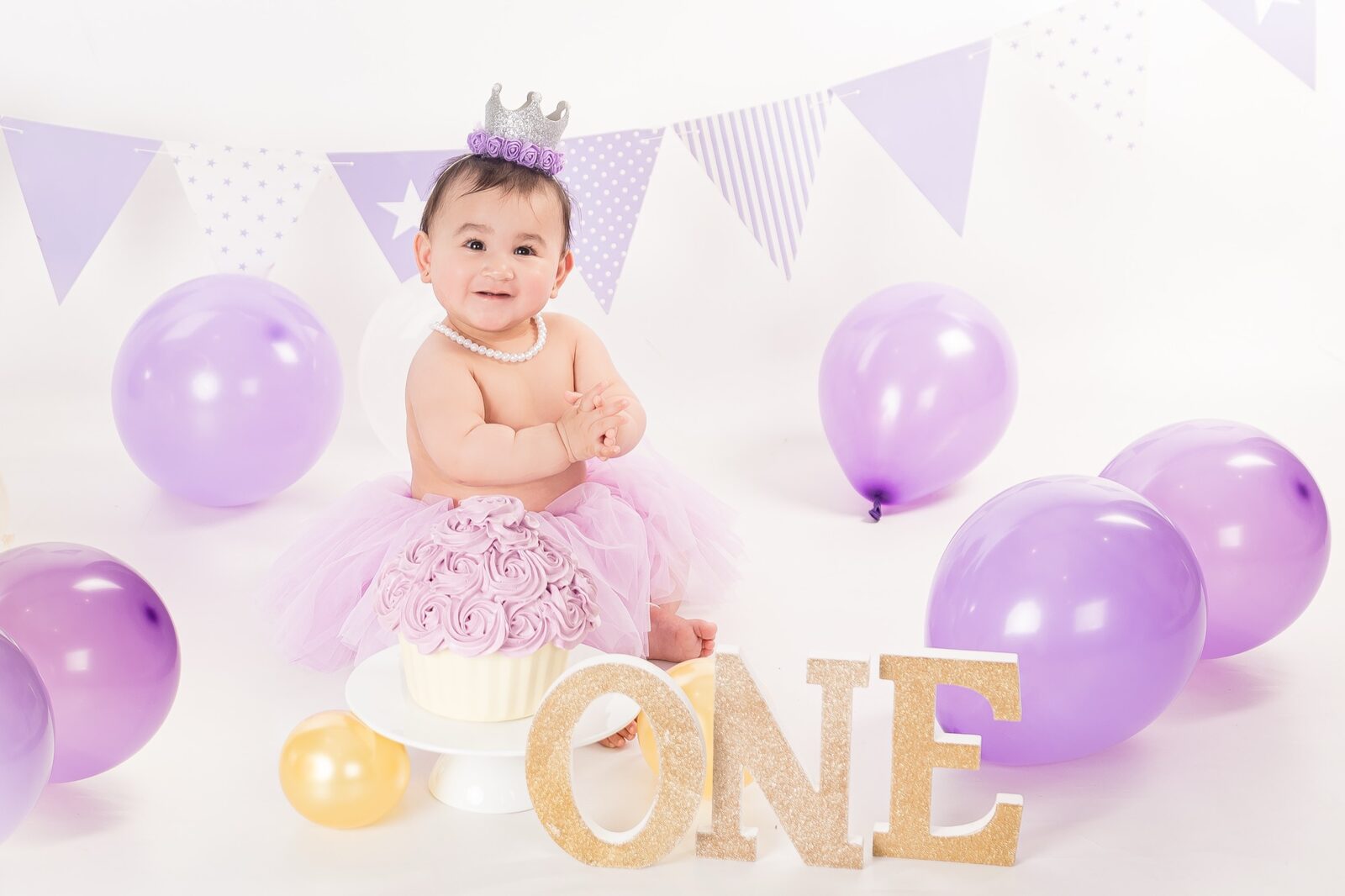
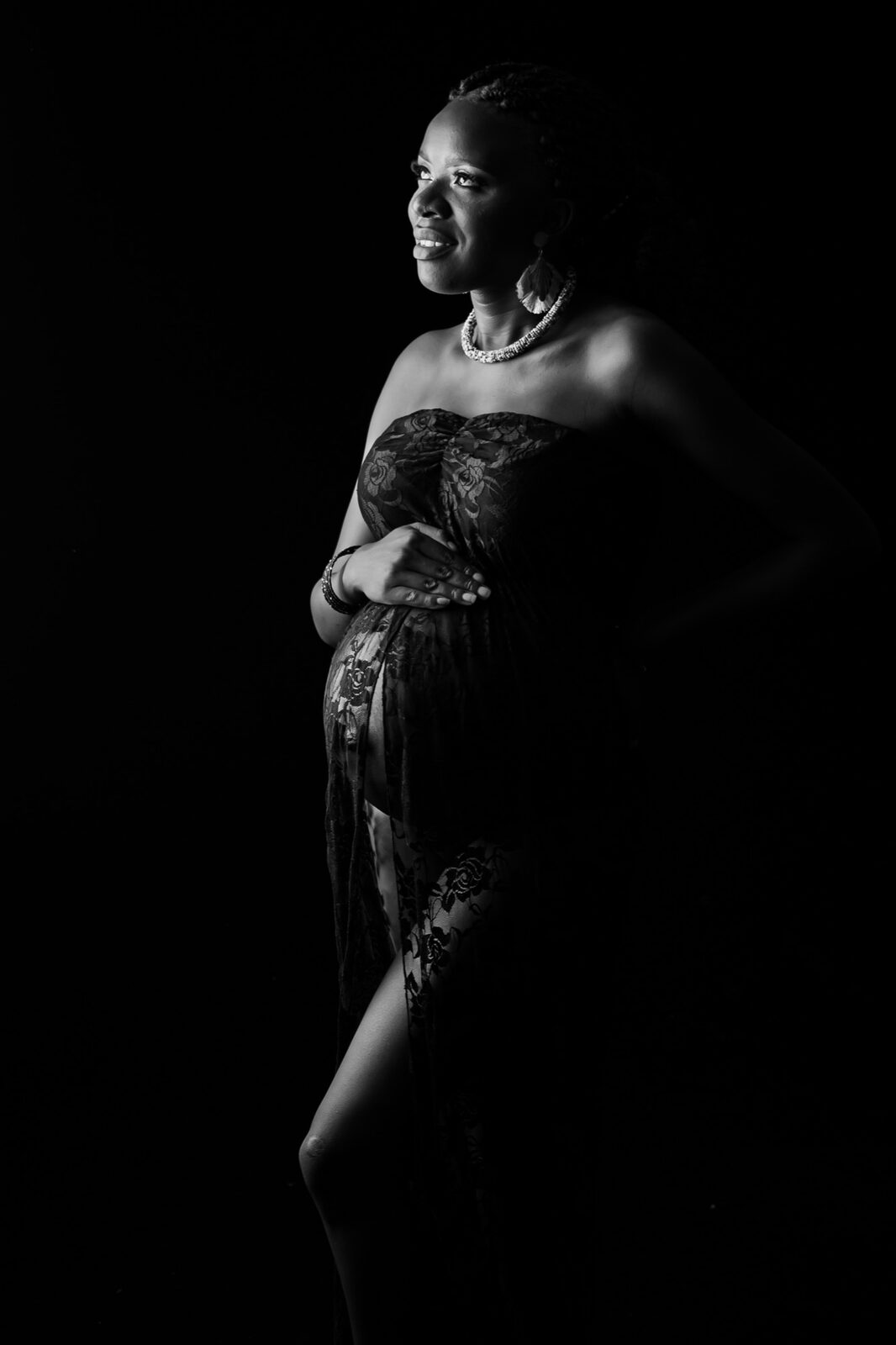
When you invest in a professional portrait session, the captions deserve the same care as the images. A beautifully lit newborn portrait paired with *tiny toes, big love* undersells the moment. Write the full context: the baby's name, age in weeks, the parents, the suburb. For a cake smash shoot marking a first birthday, include the date, the theme, and the specific moment that made everyone laugh. For a maternity session, capture the anticipation — how many weeks along, how the parents were feeling, what they were most looking forward to. Check out our guide to Family Portrait Wardrobe Tips for ideas on how the clothing choices you make on the day can inform the story your captions tell.Ready to Create Memories Worth Captioning?
Faithful Photography's studios in Glen Alpine and Gledswood Hills serve families across Campbelltown, Camden, Narellan and the wider Macarthur region — every session professionally lit, every moment captured with intention.
Common Captioning Mistakes to Avoid
Even well-intentioned captions can fall flat or actively work against the image. Here are the mistakes we see most often.- Being too vague: Family time! says nothing. Give the moment a name, a date, a detail.
- Copying captions across platforms: A caption crafted for Instagram reads as cold or incomplete in a printed album. Write separately for each context.
- Ignoring future readers: You know who "Nan" is. A great-grandchild born in 2060 does not. Name everyone, always.
- Overcrowding with hashtags: On Instagram, hashtags belong in a comment or at the very end — never breaking up the emotional arc of the caption itself.
- Describing the image instead of the story: Everyone smiling in front of the Christmas tree describes pixels. The story is why everyone was together that particular December.
- Letting perfectionism delay the caption entirely: An imperfect caption saved now is worth more than the perfect caption you never write.
Captions for Special Milestones and Seasons
Milestone moments carry extra weight, and their captions should match. Our Gledswood Hills studio and Glen Alpine photography space host families from Oran Park, Gregory Hills, Harrington Park and across the Macarthur region celebrating exactly these milestones throughout the year.Newborn and Baby Milestones
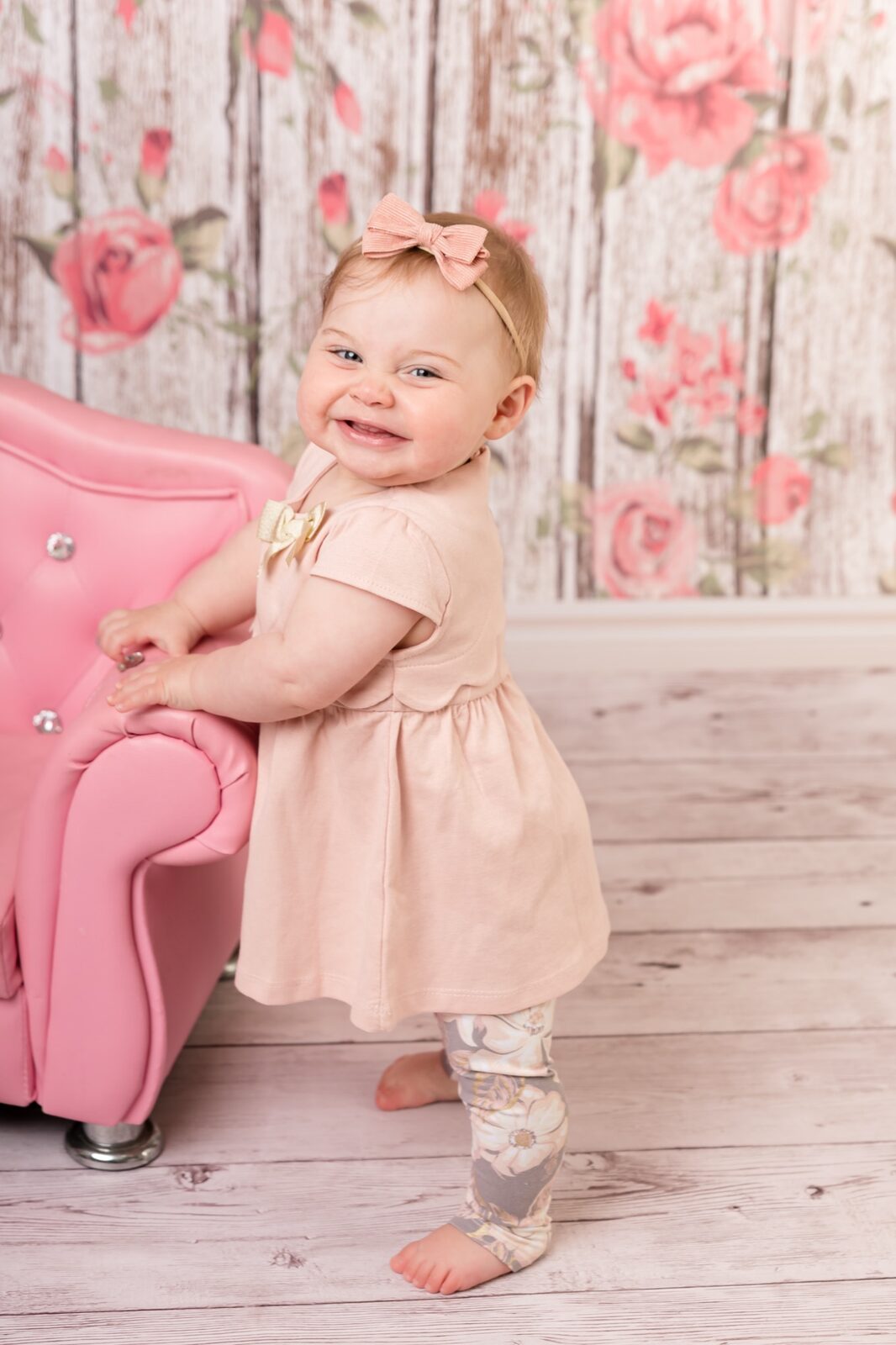
Include the full name, date of birth, weight, length, and time of birth for printed announcements. For social captions, even a condensed version — full name, birth date, first name of parents — grounds the image in real family history rather than floating sentiment.First Birthdays and Cake Smash Sessions
A first birthday caption should capture the personality already emerging. Note the theme, the reaction to the cake, a direct quote from the birthday child if they have words — or a parent's observation of the moment. These captions will be read back at eighteenth birthday parties. Make them count.Extended Family Gatherings
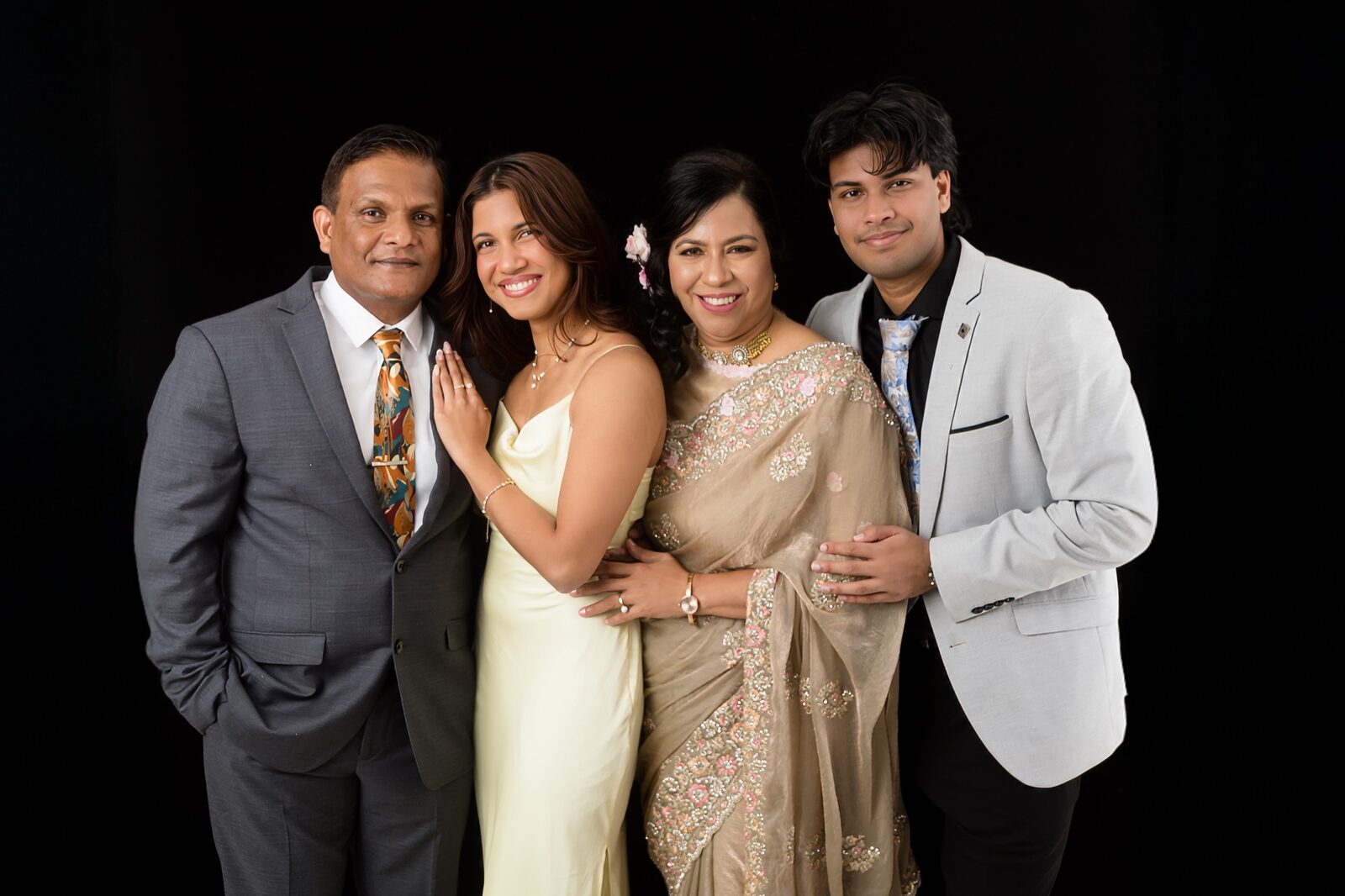
Multi-generational images are among the most historically important photos a family can take. Every face in a large group photo deserves naming, left to right, front to back. It seems tedious now; it becomes priceless in twenty years. If you're planning an extended family session, consider drafting your caption framework in advance so no one is forgotten in the scramble after the shoot.Frequently Asked Questions
How long should captions for family photos be?
It depends entirely on the platform and purpose. Instagram captions perform best under 150 characters — punchy and direct. Facebook supports 300–500 characters and rewards storytelling. Printed album captions should be as long as necessary to include full names, the date, the location, and a sentence of context — typically two to four sentences. There is no universal rule; match the length to where the photo will live and who will read it.
What information should I always include in printed photo captions?
At a minimum: full names of everyone pictured, their relationship to the photographer or to each other, the date (month and year), and the location (suburb and state). For milestone photos — births, first birthdays, graduations — include the specific occasion and any memorable detail that gives the image context. Assume the reader has no prior knowledge of anyone in the frame.
How do I write captions for family photos that will still feel meaningful in twenty years?
Prioritise specificity over sentiment. Avoid vague phrases like beautiful memories in favour of concrete details: a name, a date, a location, something someone said or did. Sensory details — the smell of food, the sound of a particular laugh, the feel of a summer afternoon — age exceptionally well because they are specific and human. Write to your future self or to a family member not yet born.
Should I use different captions on Instagram versus Facebook?
Yes, absolutely. Instagram favours brevity — a tight one-liner or two-line caption with visual, punchy language. Facebook rewards longer storytelling captions that provide context, draw out emotion, and invite comments. Copying and pasting the same caption across platforms means you're either under-serving your Facebook audience with something too thin, or overwhelming your Instagram audience with too much text. Write separately for each channel.
Do professional photography studios in South-West Sydney offer advice on preserving photos?
Faithful Photography, with studios in Glen Alpine and Gledswood Hills serving the Campbelltown, Camden and Macarthur region, guides clients through print products, heirloom albums, and digital archiving as part of each session experience. A professionally designed album paired with well-written captions creates a family record that genuinely lasts generations. Ask about album options when you book your session.
What's the easiest formula for writing captions for family photos if I'm not a writer?
Start with the Name + Place + Year formula: who is in the photo, where it was taken, and when. That alone makes the caption useful. Then add one sentence of context — what was happening or why the day mattered. Finally, if something memorable was said, quote it directly. You don't need to be a writer; you just need to answer those three questions honestly and specifically.
Visit Faithful Photography Today
From our studios in Glen Alpine and Gledswood Hills, we photograph newborns, families, maternity milestones, cake smashes and corporate sessions for clients across Campbelltown, Camden, Narellan and the Macarthur region — giving you images worth every word of the caption they inspire.