Key Takeaways
- A small handful of classic poses — done well — genuinely flatter every face shape, body type and industry, from creatives to corporate executives.
- Micro-expressions and eye engagement matter more than any physical pose; a genuine smile starts in the eyes, not just the mouth.
- Working with an experienced photographer who guides you through poses in real time is the fastest way to walk away with a headshot that actually looks like you at your best.
Ready to book? See our professional headshot sessions in Sydney sessions — pricing, what’s included and how a session works.
Your headshot is often the very first impression a client, casting director, recruiter or collaborator gets of you — and headshot poses that work for everyone are the difference between a photo that opens doors and one that gets scrolled past. At Faithful Photography, we work with professionals, entrepreneurs, actors, and job-seekers from right across South-West Sydney and the Macarthur region every week. Whether you're sitting in our Glen Alpine studio or our Gledswood Hills space, we see the same thing time and again: the right pose, paired with a genuine expression, transforms a snapshot into a career-defining image. This guide breaks down the poses we return to most often — why they work, how to adapt them for your specific face shape and body type, and what you can do in the mirror before your session to arrive camera-ready. ---Why Headshot Poses Matter More Than You Think
A great headshot is not simply a well-lit selfie. It communicates personality, authority, approachability and credibility within a single frame. Studies on first impressions consistently show that viewers form judgements about competence and trustworthiness in under a second — before they've read a single word of your bio. Posture and body language account for a significant portion of that snap judgement. Slouched shoulders read as uncertain. A stiff, square-on stance can read as uncomfortable or guarded. The right pose threads the needle: relaxed enough to feel human, composed enough to feel professional. ### What Makes a Pose "Work for Everyone"? A universal pose has a few things in common:- It creates a natural axis through the spine — no twisting or contorting.
- It allows the face to be angled slightly rather than flat-on, which adds dimension.
- It keeps the shoulders away from the ears, preventing a tense, hunched look.
- It's easy to hold for 30–60 seconds without visibly straining.
Classic Headshot Poses That Stand the Test of Time
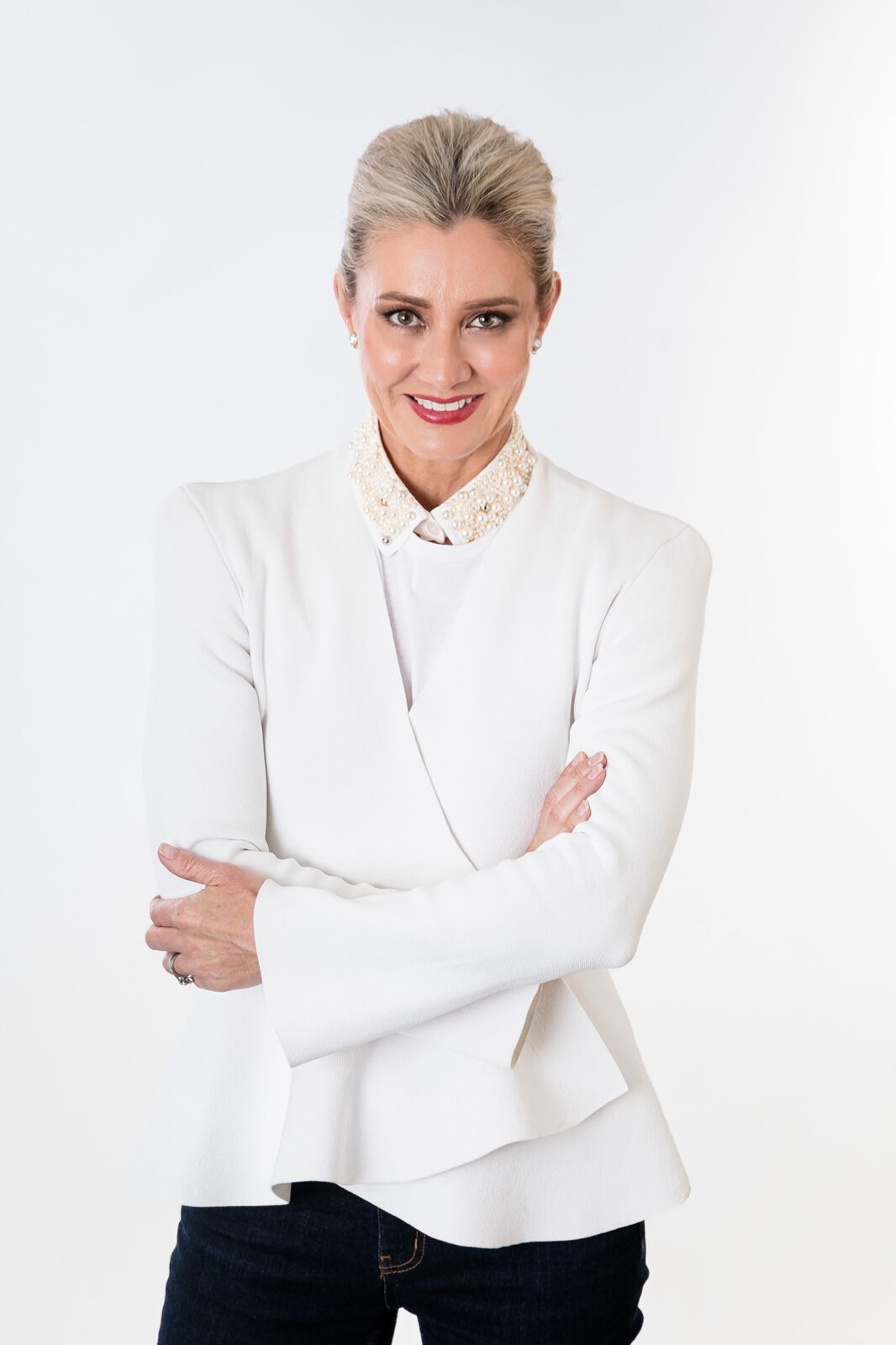
These are the workhorses of the professional headshot world. We use all of them regularly in our corporate photography in Sydney sessions, and every single one can be adapted to suit different industries, personalities and body types. ### The Straight-On Smile This is the confidence and approachability pose. You face the camera directly, shoulders aligned, and deliver a genuine smile. The critical detail here is the eyes — if your mouth is smiling but your eyes aren't engaged, the viewer will feel it even if they can't name why. A useful trick: lower your chin just slightly (about 10–15 degrees). This prevents the camera from shooting up your nose and defines the jawline far more cleanly. Think of it as a subtle "turtle head" — chin forward, then down. ### The Three-Quarter Turn Turn your body 45 degrees away from the lens, then bring your face back toward the camera. This single adjustment adds depth and visual interest to the frame while slimming the silhouette for almost every body shape. It also lets you feature your "better" side — and yes, most people have one. This pose is especially popular with our clients in Campbelltown and Camden who are building LinkedIn profiles and speaker bios. It's authoritative without being stiff. ### The Thoughtful Gaze Rather than looking directly into the lens, you focus on a point just off-camera — as though you're mid-thought on a genuinely interesting problem. This works brilliantly for creatives, consultants, academics and anyone who wants their headshot to communicate depth and intellect. The key is to actually fixate on a real point. Vague, unfocused eyes read as bored or disengaged rather than contemplative. Your photographer should place a marker or give you something specific to look at. ### The Casual Lean Leaning gently against a wall, a desk or a door frame instantly lowers the perceived formality of a shot. For entrepreneurs, small business owners and anyone in a client-facing, relationship-driven industry, this pose says I'm approachable and easy to work with without sacrificing professionalism. Let the shoulders soften, tuck the chin slightly, and resist the urge to cross your arms — keep them loose at your sides or with one hand resting naturally. ### The Power Stance Feet shoulder-width apart, shoulders rolled back, hands either resting on hips or tucked lightly into pockets — this is the pose for executives, leaders and authority figures. It occupies space deliberately and communicates calm dominance. The goal is not to look forceful but relaxed and certain. ---Posing Tips for Different Body Types
One of the most common worries clients bring into our studio — whether they're booking through our Gledswood Hills photography page or walking in off the street — is that they won't photograph well. We hear "I'm not photogenic" constantly. The truth is that most people simply haven't been guided through poses that suit their specific proportions. ### Round Faces: Create Angles A slight tilt of the head and a lowered chin immediately defines the jaw and creates shadow that sculpts the face. Ask your photographer to shoot from a marginally elevated angle — even 15–20 centimetres above eye level changes the geometry significantly. V-neck collars also draw the eye downward, lengthening the neck visually. ### Shorter Necks: Lift and Extend Good posture is your best tool here. Imagine a cord attached to the crown of your head pulling you gently upward. Then bring the chin slightly forward and down — not tucked, but extended. This elongates the neck and prevents the chin-to-collar compression that foreshortens the neck in photos.- Choose open necklines over crew necks or high collars.
- Avoid necklaces that sit at the throat — they visually interrupt the neck line.
- Keep your shoulders actively relaxed and low.
"The ultimate headshot pose isn't the one that looks best in the mirror — it's the one that feels like you on your best day. When those two things align, the camera doesn't lie."---
Expressions and Micro-Expressions: Bringing Your Headshot to Life
A technically perfect pose with a dead expression is still a mediocre headshot. Micro-expressions — the tiny muscular movements around the eyes, brow and mouth — are what separate a professional photo from a passport snap. ### The Genuine Smile vs. the Posed Smile Genuine smiles involve the orbicularis oculi muscle — the one that creates crow's feet and lifts the cheeks. Posed smiles often only activate the muscles around the mouth. The difference is immediately apparent to viewers, even subconsciously. Tricks that help genuine expressions emerge:- Think of someone who genuinely makes you laugh — not a funny joke, but a specific person whose company you love.
- Have a brief, real conversation with your photographer right before the shutter fires.
- Exhale fully, then smile on the inhale — it softens the "freeze" reflex most people experience in front of a camera.
What to Wear and How Preparation Elevates Every Pose
Clothing choices directly affect how your poses read on camera. Dark, solid colours keep the viewer's attention on your face. Busy patterns, logos and bright white tops draw the eye away from your expression. We strongly recommend our clients consider professional hair and makeup services ahead of their session. Even minimal styling — smoothed hair, even skin tone, defined brows — removes the small distractions that would otherwise compete with your pose and expression. It's one of the highest-return investments you can make before a headshot session.- Avoid heavy jewellery that catches light and creates glare.
- Bring two or three outfit options — different necklines photograph differently.
- Wear clothes that fit well now, not clothes you're planning to fit into.
- Avoid fabrics that wrinkle easily — linen and very fine cotton can crease badly under studio lighting.
Ready to Book Your Professional Headshot?
Our experienced team at Faithful Photography guides you through every pose, expression and outfit choice — so you walk away with a headshot that genuinely represents you at your best. Studios in Glen Alpine and Gledswood Hills, serving all of South-West Sydney and the Macarthur region.
Industry-Specific Headshot Pose Considerations
Different industries have different visual languages. A corporate lawyer and a personal trainer both need headshots — but a pose that works brilliantly for one would feel completely out of place for the other. ### Corporate and Executive Headshots Lean toward the three-quarter turn and the power stance. Expressions should be composed rather than broadly smiling — warm but authoritative. Dark suiting, solid ties and structured jackets photograph exceptionally well under studio lighting. See our full guide to corporate photography in Sydney for more on what makes an executive headshot land with impact. ### Creative Industries Give yourself permission to be more expressive. The thoughtful gaze, a genuine laugh mid-shoot, or a deliberately relaxed casual lean all communicate the personality and approachability that clients in creative fields are looking for. Bright accent colours, interesting textures and more casual clothing choices are all fair game. ### Actors and Performers Casting directors are looking for range — different expressions and energies across a single session. The ability to shift quickly between poses and emotional registers is more valuable than perfecting one look. Your photographer should be directing you actively throughout the shoot, not just pressing the shutter. ### Entrepreneurs and Small Business Owners The goal is usually to communicate trustworthiness, energy and accessibility all at once. A combination of the straight-on smile and the casual lean — perhaps across two or three wardrobe changes — gives you a versatile set of images suitable for everything from your website bio to your Google Business profile. ---Practising Headshot Poses Before Your Session
One of the best things you can do before arriving at our studio is spend ten minutes in front of a mirror — or even better, your phone camera — working through the poses described in this guide.- Stand in front of a mirror and try the straight-on smile. Notice what happens when you engage your eyes versus just moving your mouth.
- Turn your body 45 degrees and bring your face back toward your reflection. Find the angle that feels most natural.
- Try the chin-forward-and-down movement. Notice how much it changes the jaw line.
- Take three photos of each pose on your phone and review them. You'll quickly spot which side you prefer and which expressions feel genuine versus forced.
- Note which one or two poses you feel most comfortable in — tell your photographer at the start of the session.
Frequently Asked Questions
What are the most universally flattering headshot poses for beginners?
The three-quarter turn is the single most universally flattering pose because it slims the silhouette, adds visual depth, and works across almost every face shape. Pair it with a genuine smile (eyes engaged, chin slightly forward and down) and you have the foundation of an excellent headshot. From there, your photographer will adjust based on your specific features and industry.
How do I stop looking stiff or awkward in headshot photos?
Stiffness almost always comes from holding your breath and bracing for the shutter. The fix is surprisingly simple: exhale fully before each shot. Let your shoulders drop on that exhale and smile (or compose your expression) on the inhale. Having a genuine conversation with your photographer in the moments before the shot fires also helps enormously — it keeps the facial muscles active and natural rather than frozen in a posed expression.
Do headshot poses that work for everyone really exist, or do I need a custom approach?
A small set of classic poses — the three-quarter turn, the straight-on smile, the casual lean — genuinely do flatter an enormous range of body types and face shapes when executed well. That said, the fine details (chin angle, shoulder height, which foot carries your weight) are always customised to the individual. A skilled photographer doesn't use poses as rigid templates; they use them as starting points and adjust in real time based on what they see through the lens.
Should I smile in my professional headshot?
It depends on your industry and the impression you want to make. A warm, genuine smile works exceptionally well for client-facing roles, sales, real estate, healthcare, education and most creative industries. A composed, neutral expression tends to suit law, finance, senior executive roles and some medical fields. The key is that the expression — whether smiling or neutral — must look genuinely relaxed rather than forced. We recommend capturing both during your session so you have options.
How do I find a professional headshot photographer in South-West Sydney?
Faithful Photography has studios in Glen Alpine and Gledswood Hills, making us conveniently located for clients across Campbelltown, Camden, Narellan, and the wider Macarthur region. We specialise in professional headshots and corporate portraits, guiding every client through poses, expressions and wardrobe choices from the moment they walk in. You can view our session pricing online or book a session directly through our website.
How long does a professional headshot session take?
Most standalone headshot sessions run between 30 and 60 minutes. That's enough time to work through two to three outfit changes, try several poses and expressions, and capture a solid selection of images. If you've booked hair and makeup in addition to photography, allow an extra 45–60 minutes. Sessions that feel rushed tend to produce images where the client looks rushed — so we'd always rather build in a little extra breathing room.
Visit Faithful Photography Today
Whether you're after a standout corporate headshot, a profile image that finally looks like you, or a full personal branding shoot, our team at Faithful Photography is ready to guide you through every pose, expression and wardrobe choice. Studios in Glen Alpine and Gledswood Hills — proudly serving Campbelltown, Camden, Narellan and the entire Macarthur region.