Key Takeaways
- Documentary family photography captures real, unscripted emotion — not polished poses — making your images genuinely irreplaceable storytelling keepsakes.
- Your home is the ideal setting: natural window light, familiar surroundings and relaxed kids produce far more authentic results than a studio backdrop.
- Three core techniques — working with available light, staying physically close without intrusion, and choosing the right compact gear — transform everyday moments into professional-quality photos.
Why Documentary Photography Beats Traditional Portraits
Traditional portraits have their place, but be honest: how many times have you looked at a formally posed family photo and thought, *that is exactly what we are like*? Rarely. The tilted heads, the matching outfits, the frozen smiles — they capture a performance, not a family. Documentary photography strips away the artificiality that makes posed sessions feel like a bad school photo day. Instead of directing everyone into position, the photographer moves through your space like a quiet observer, letting real relationships play out in front of the lens. ### Authenticity Over Aesthetics The result is an image with an emotional fingerprint that belongs only to your family. The messy bookshelves, the half-eaten birthday cake, the toddler mid-tantrum — these details are not flaws. They are the story. Families who have experienced both styles consistently describe documentary sessions as more *relaxed*, more *fun*, and more emotionally resonant when they revisit the photos years later. The images feel lived-in because they are. ### What It Means for How You Are Photographed Because there is no posing, there is no pressure. Kids can keep playing with their Lego. Parents can keep making lunch. The photographer works *around* life rather than interrupting it. This is especially valuable for families with young children or anyone who genuinely dreads being in front of a camera. ---The Power of Unscripted Moments
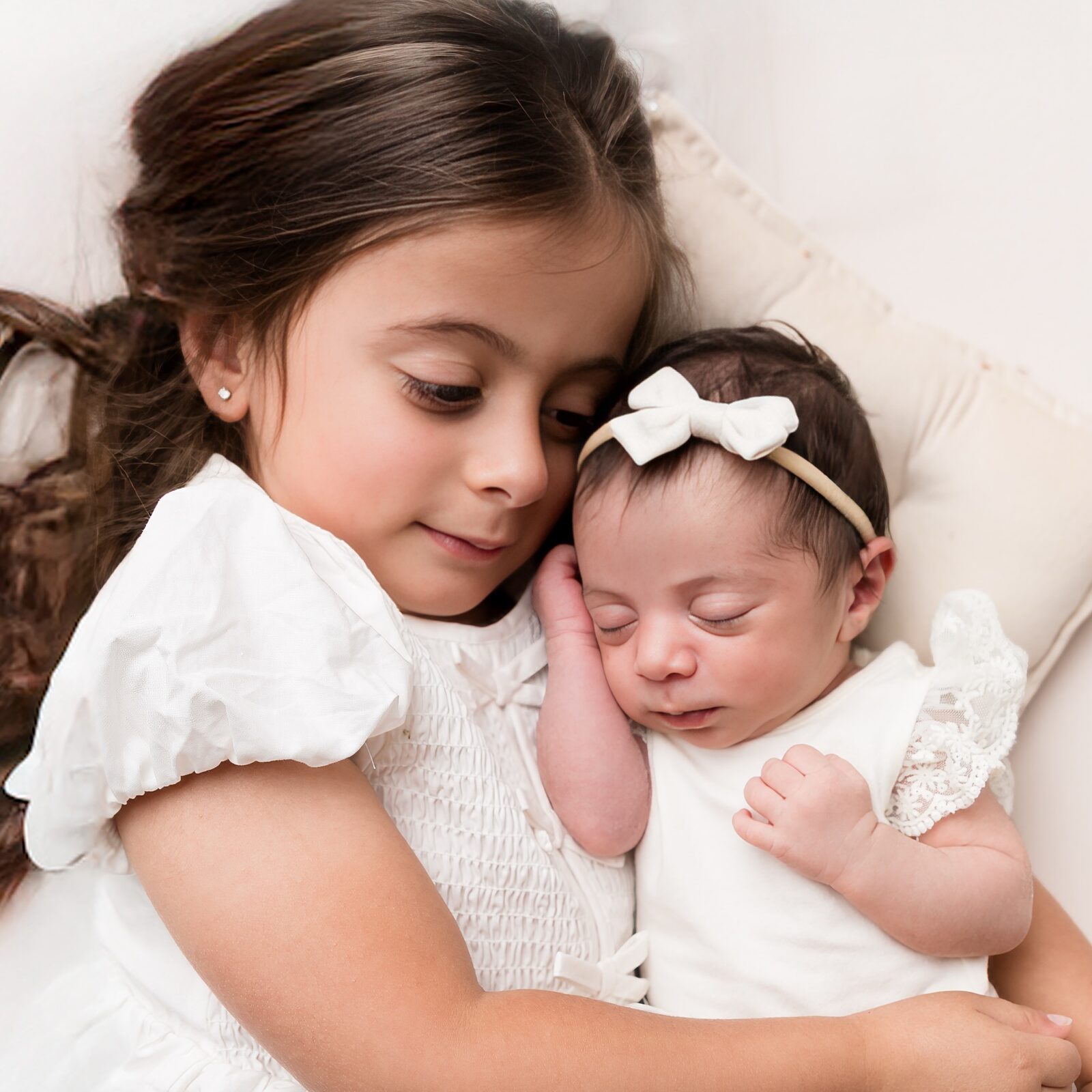
A traditional portrait session typically runs 30–60 minutes and produces 20–40 near-identical shots. A documentary session takes a different route entirely. Two to four hours of relaxed, natural observation can yield 200–500 images that actually build a narrative — morning routines, shared jokes, the way your kids interact when they think nobody is watching. That is the material that becomes heirlooms. ### What Makes a Moment Worth Capturing Not every documentary frame needs to be dramatic. Some of the most powerful images are almost mundane:- A parent reading on the couch with a child tucked under their arm
- Siblings squabbling over the TV remote — and then laughing about it
- The look on a toddler's face when they find the biscuit tin
- Hands — small ones holding big ones — during a quiet afternoon walk in the backyard
Your Home Is the Perfect Studio
Many families assume they need a professional studio to get great photos. In reality, for documentary-style work, your home is almost always the superior choice. Familiar environments produce relaxed subjects. Kids behave more naturally in a space they know. Parents are less self-conscious. Even pets — who famously ignore instruction — tend to cooperate when they are on their own turf. The Macarthur region is full of beautiful homes with generous natural light: wide-windowed lounge rooms in Gledswood Hills, sun-drenched kitchens in Harrington Park, sprawling backyards in Glen Alpine. All of it is potential material for extraordinary images. ### Choosing the Best Rooms to Work In Not every room will serve you equally well. Prioritise spaces that:- Have at least one large window or glass door admitting natural light
- Are genuinely used by your family — not the formal sitting room you only open for guests
- Give the photographer a few metres of working space to move around without bumping furniture
- Reflect your family's personality (a cluttered craft table tells a better story than a bare dining room)
"The magic of documentary family photography is that it does not need you to perform. It simply needs you to be yourselves — and that is always more than enough."---
Mastering Natural Light at Home
Light is everything in photography. In a documentary home session, natural window light is your single most important tool — and it is completely free. Position yourself or your subjects perpendicular to a large window rather than facing directly into or away from it. This creates soft, directional light that sculpts faces beautifully and avoids the flat, washed-out look of direct flash. ### When to Shoot for the Best Results Timing matters more than most people realise:- Morning light (9–11 AM) — Soft and warm, ideal for breakfast routines and indoor play.
- Afternoon light (3–5 PM) — Lower in the sky, it pours through west-facing windows and creates a golden quality that is hard to replicate artificially.
- Overcast days — Clouds act as a giant natural diffuser. Flat but even light across the whole space, forgiving and flattering.
- Aperture priority mode at f/2.8–f/4 — keeps your subject sharp while blurring busy backgrounds
- ISO 1600–3200 — modern cameras handle this grain level well, and frozen action beats motion blur every time
- Avoid overhead ceiling lights — they cast downward shadows that age faces and flatten the scene
- Use a fast shutter speed (at least 1/200s) when children are moving
The Art of Staying Invisible
The hardest skill in documentary photography is not technical — it is behavioural. The moment subjects become aware of the camera, the authenticity evaporates. Learning to work invisibly is what separates a genuinely documentary image from a candid-style pose. ### Getting Close Without Intruding Counter-intuitively, staying physically close to your subjects often makes them *less* aware of the camera than shooting from across the room with a long telephoto. A 35mm or 50mm prime lens used at 1–2 metres creates an intimate, present-in-the-room feel rather than a wildlife-documentary distance. Move with intention and calm. No sudden movements. No barked instructions. Flow from room to room as the family does, anticipating where the next interesting moment is likely to unfold rather than chasing it after the fact. ### Building Genuine Connection Talk to the kids — not to direct them, but just to connect. Ask about the drawing they are doing or the name of their stuffed toy. Once a child sees you as *a person*, not a photographer, they stop performing for the lens entirely. That is when the real magic starts. Parents relax when their children relax. It creates a feedback loop of ease that flows through every subsequent frame. ---Ready to Capture Your Family's Real Story?
Faithful Photography's documentary-style family photoshoots in Sydney are designed around how your family actually lives — no stiff poses, no forced smiles, just genuine moments preserved beautifully.
Choosing Gear That Actually Helps
Gear addiction is the fastest way to miss the moments you came to capture. A camera body worth $10,000 pointed at a distracted toddler will produce worse images than a mid-range mirrorless used by someone who knows how to be present. ### Cameras Worth Considering for Home Documentary Work Compact and mirrorless cameras are ideal for this style — they are quieter, lighter, and far less intimidating to children and adults alike than a large professional DSLR with a battery grip attached. Families genuinely loosen up around smaller cameras. The psychological effect is real and significant.- Compact full-frame mirrorless cameras (Sony A7 series, Nikon Z-series) — excellent high-ISO performance
- APS-C compact bodies (Fujifilm X-series) — lighter, less intrusive, still exceptional image quality
- Your smartphone — genuinely capable in good light, and virtually invisible as a camera because families see it every day
When to Let a Professional Take Over
There is real value in understanding documentary technique yourself — it makes you a better creative collaborator when you do work with a photographer, and it helps you capture everyday moments year-round. But for the sessions that genuinely matter, partnering with an experienced professional produces results that are difficult to replicate alone. A professional brings not just technical skill but the experience to *anticipate* moments before they happen, to manage the unpredictability of young children, and to edit consistently across a large gallery of images so every frame feels cohesive. If you are based in the Macarthur region — whether you are in Campbelltown, Camden, Narellan, or anywhere nearby — Faithful Photography's team of Campbelltown photographers specialises in exactly this relaxed, documentary-led approach. We also offer newborn photography in Sydney for those earliest, most fleeting weeks that parents most wish they could slow down. Thinking about what everyone wears? Our family portrait wardrobe tips will help you choose co-ordinated outfits that feel natural rather than matching-in-a-catalogue. And when you are ready to see what a session investment looks like, our session pricing page has all the detail you need. ---Frequently Asked Questions
What exactly is documentary family photography and how does it differ from traditional portraiture?
Documentary family photography — sometimes called lifestyle photography — is an approach that prioritises capturing real, unscripted moments over posed compositions. Rather than directing family members into positions and expressions, the photographer observes and moves through your home as life unfolds naturally. The difference in the final images is significant: documentary photographs feel genuinely lived-in, whereas traditional portraits often look and feel like a performance.
How do I master documentary family photography at home without professional equipment?
You do not need professional equipment to get started. The most important skills are understanding natural window light, learning to move quietly and without disrupting the scene, and getting physically close to your subjects using a wider lens rather than zooming from across the room. Even a modern smartphone in good natural light, used by someone who understands these principles, can produce genuinely moving documentary images. Focus on connection and observation first — the technical side follows.
Do I need to tidy my house before a documentary photography session?
A light tidy is sensible — tripping hazards removed, surfaces clear enough to move around — but you absolutely should not stage your home to look like a display suite. The lived-in details are part of the story. Children's toys, a pile of picture books, the family dog's bed, a row of school shoes by the door — these elements give your images authentic character and meaning that a spotless home simply cannot provide.
What time of day works best for a home documentary session in South-West Sydney?
Morning light between 9 and 11 AM and afternoon light between 3 and 5 PM are the sweet spots for natural light quality in most South-West Sydney homes. The light is lower in the sky during these windows, warmer in tone, and softer in contrast than the harsh midday sun. That said, an overcast day at any time creates beautifully even, flattering light throughout the house — so do not cancel your session just because it is cloudy.
My kids never sit still — will documentary photography work for us?
Documentary photography is actually *designed* for families exactly like yours. Unlike traditional sessions where children are expected to hold a pose and smile on cue — which is genuinely difficult for most kids under eight — documentary work thrives on movement, energy and unpredictability. Running, tumbling, chasing the dog, refusing to eat dinner: all of it is material. The photographer works with your children's natural behaviour rather than against it, which produces far more genuine and joyful images.
Does Faithful Photography offer documentary-style family sessions near Campbelltown and Camden?
Yes — Faithful Photography's studios in Glen Alpine and Gledswood Hills serve families across the full Macarthur region, including Campbelltown, Camden, Narellan, Harrington Park, Gregory Hills and surrounds. We offer both in-home documentary sessions and our relaxed studio environment. Visit our family photoshoot page for more detail, or book a session directly online.
Visit Faithful Photography Today
Whether you are ready to book a documentary-style family session in our Glen Alpine or Gledswood Hills studio, or you want to discuss an in-home shoot anywhere across the Macarthur region, our team would love to hear from you. Your family's real story deserves to be told beautifully.